
What Is Bullion? A Complete Guide to Buying Physical Precious Metals
Kelvin Bratton2026-09-20
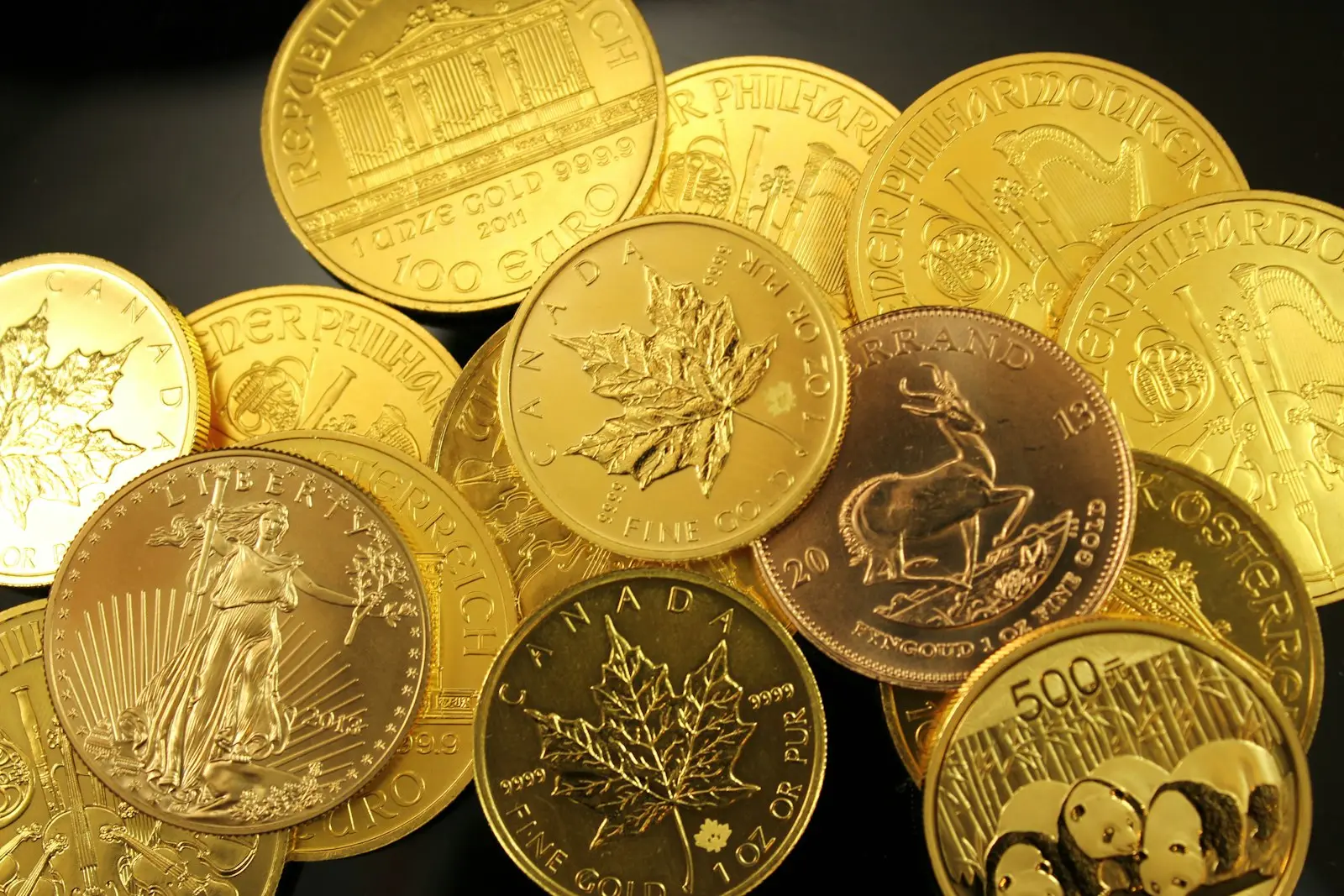
You've probably heard the word "bullion" thrown around when people talk about gold and silver investing. But what does it actually mean? And more importantly, why should you care?
Bullion isn't about collecting rare coins or hunting for antique treasures. It's about buying precious metal for what it is: pure gold, silver, platinum, or palladium valued by weight and purity. When you buy bullion, you're buying a tangible asset that's directly tied to the spot price of the metal itself. No stories. No guesswork. Just metal you can hold in your hand.
This guide breaks down everything you need to know. We'll cover what bullion really is, the different forms it comes in, how pricing works, and what to look for when you're ready to buy.
What Exactly Is Bullion?
Bullion is precious metal sold primarily for its metal content rather than any artistic, historical, or collectible value. Think of it as raw material in a refined, standardized form.
According to the London Bullion Market Association (LBMA), investment-grade bullion must meet specific purity standards: at least 99.5% pure for gold and 99.9% pure for silver. These standards ensure that what you're buying has verifiable value based on the global precious metals market.
The value of bullion tracks closely with spot price, which is the current market price for one troy ounce of a precious metal. When you buy bullion, you pay spot price plus a premium that covers minting, distribution, and dealer margins. The premium varies based on the form of bullion you choose, but the underlying value remains tied to the metal itself.
Bullion comes in three main forms: bars, coins, and rounds. Each has different cost structures, liquidity characteristics, and use cases. We'll get into those details shortly.
Why People Buy Bullion
Bullion serves a specific purpose in a diversified portfolio. It's not about getting rich quick. It's about preserving wealth over time.
Gold and silver have maintained purchasing power for thousands of years. According to a study by the World Gold Council, gold has historically shown low correlation with stocks and bonds, making it an effective hedge during economic uncertainty. When paper currencies lose value through inflation or geopolitical instability, physical metal tends to hold its worth.
Some investors buy bullion for portfolio diversification. Others view it as insurance against currency devaluation. Many simply want an asset they can physically possess, something that doesn't depend on a bank, a government, or a computer system to maintain its value.
Physical precious metals can also be held in self-directed IRAs, allowing tax-advantaged retirement savings while maintaining exposure to tangible assets. However, IRA-eligible bullion must meet specific fineness requirements and be produced by accredited refiners on the LBMA Good Delivery List.
The Three Forms of Bullion
Bullion Bars
Bars are the most direct way to buy precious metal by weight. They're produced by refineries, stamped with weight and purity, and typically carry the lowest premiums over spot price. You're paying for metal, not craftsmanship.
Gold bars range from 1 gram to 400 troy ounces (the standard "Good Delivery" bar used in institutional trading). Silver bars commonly range from 1 ounce to 1,000 ounces. Larger bars have lower per-ounce premiums because the minting cost is spread across more metal.
The trade-off? Liquidity. A 100-ounce silver bar is harder to sell in smaller increments than 100 individual coins. If you need to liquidate some holdings, you'll have to sell the entire bar. For many investors, this isn't a dealbreaker, it's just something to consider based on your goals.
Bars are IRA-eligible as long as they meet minimum fineness requirements and come from accredited refiners. Liberty Gold Silver sells bars that meet these standards, ensuring you can use them in a self-directed precious metals IRA if that's part of your strategy.
Bullion Coins
Government mints produce bullion coins with standardized weights, designs, and precious metal content. Examples include the American Gold Eagle, Canadian Maple Leaf, and South African Krugerrand.
These coins are legal tender, though their face value is far below their metal content. A one-ounce American Gold Eagle has a face value of $50, but its actual value tracks the spot price of gold (over $2,000 per ounce at recent market prices).
Bullion coins carry higher premiums than bars because they involve more production steps and government oversight. However, they're widely recognized and easy to authenticate, which makes them highly liquid. If you need to sell quickly, coins move fast.
Many bullion coins are IRA-eligible. The American Gold Eagle, for example, is specifically authorized for inclusion in precious metals IRAs under U.S. tax code, even though its purity (91.67%) falls slightly below the standard 99.5% requirement. This exception exists because of the coin's government backing and widespread acceptance.
Bullion Rounds
Rounds look like coins but aren't produced by government mints. Private mints strike them in standard weights, usually one troy ounce, with various designs.
Because they lack government backing, rounds typically carry lower premiums than coins. You're still buying standardized weight and purity, just without the "official" status. For investors focused purely on metal content, rounds offer a middle ground between bars and coins.
Most rounds are IRA-eligible as long as they meet fineness standards and come from accredited refiners. Liberty Gold Silver focuses on IRA-grade bullion from LBMA-approved sources, which means every product we sell can be used in a self-directed IRA.
How Bullion Pricing Works
Bullion pricing has two components: spot price and premium.
Spot price is the live benchmark for raw precious metals. It's determined by global futures markets and changes constantly during trading hours. According to the COMEX (Commodity Exchange), spot prices reflect the cost of immediate delivery for large quantities of unrefined or refined metal.
The premium is what you pay above spot. It covers:
- Minting or refining costs
- Distribution and logistics
- Dealer margins
- Market demand for specific products
Premiums vary by form. Bars typically have the lowest premiums (sometimes as low as 2-3% over spot for larger sizes). Coins carry higher premiums (often 5-10% or more) due to production complexity and government involvement. Rounds fall somewhere in between.
What to Look for When Buying Bullion
Not all bullion is created equal. Here's what matters.
Purity and Weight
Verify that the product meets minimum fineness standards. Gold should be at least 99.5% pure, silver at least 99.9%. The weight should be clearly marked in troy ounces (not regular ounces, which are lighter).
Accredited Refiners
For IRA-eligible bullion, the product must come from a refiner on the LBMA Good Delivery List. This ensures the metal is ethically sourced, properly refined, and verifiable. Liberty Gold Silver only sells products from LBMA-approved refiners, which is why our bullion meets IRS standards for retirement accounts.
Authentication
Counterfeit precious metals exist. Look for clear hallmarks, serial numbers, and assay certificates. Reputable dealers provide documentation and stand behind their products. We include certificates of authenticity with our bullion and offer assistance with verification if needed.
Dealer Reputation
Buy from established dealers with transparent pricing and clear return policies. Check reviews, verify their physical address, and confirm they have knowledgeable staff who can answer questions about IRA rules, storage options, and resale processes.
Bullion vs. Numismatic Coins
This is a critical distinction. Bullion and numismatic (collectible) coins are fundamentally different products.
Bullion is valued by metal content and weight. Numismatic coins are valued by rarity, condition, historical significance, and collector demand. A rare 1909-S VDB Lincoln cent might sell for thousands of dollars, even though its copper content is worth a few cents.
Numismatic coins involve subjective grading, market trends, and expertise that most investors don't have. Bullion is straightforward: you know exactly what you're buying and what it's worth based on spot price.
For wealth preservation and portfolio diversification, bullion is the clear choice. You're not betting on collector interest or hoping a coin's grade holds up. You're buying metal that's universally recognized and valued.
Bullion in Your IRA
Physical precious metals can be held in a self-directed IRA, but there are specific rules.
The IRS requires that IRA-held bullion meet minimum fineness standards and be stored with an approved custodian. You can't keep the metal in your home safe if it's in your IRA. It must remain in secure, insured storage until you take a distribution.
Eligible products include:
- Gold bars and coins (99.5% pure or higher, with exceptions like the American Gold Eagle)
- Silver bars and coins (99.9% pure)
- Platinum and palladium bars and coins (99.95% pure)
Collectible coins, jewelry, and other forms of precious metal don't qualify.
Working with a dealer who understands IRA rules saves headaches. Liberty Gold Silver helps clients navigate the process, from selecting IRA-eligible products to coordinating with custodians for secure storage. We've built relationships with trusted custodians and can walk you through each step.
Storage Considerations
Once you own bullion, you need to store it securely.
Some investors keep smaller amounts at home in a safe. This gives immediate access but carries security risks. Homeowner's insurance often has limited coverage for precious metals, so additional riders may be necessary.
For larger holdings or IRA accounts, third-party storage is the standard. Options include:
- Bank safe deposit boxes (not FDIC-insured, but secure)
- Private vault storage with specialized firms (fully insured, often segregated storage)
- Depository storage through IRA custodians (required for retirement accounts)
Liberty Gold Silver offers guidance on storage solutions that fit your situation. We don't just sell you metal and walk away. We help you understand the full lifecycle of ownership, from purchase to secure storage to eventual liquidation.
Reselling Bullion
Bullion's liquidity is one of its major advantages. When you're ready to sell, you have options.
Coins are the easiest to resell because they're widely recognized and standardized. A one-ounce American Gold Eagle can be sold to virtually any precious metals dealer with minimal questions asked.
Bars take slightly more effort, especially larger ones. Dealers may need to verify authenticity, and some prefer smaller denominations for resale flexibility. Rounds fall somewhere in between.
What Bullion Offers You
Bullion isn't flashy. It won't double overnight. But it offers something increasingly rare in modern finance: clarity and permanence.
You know what you own. You know what it's worth. And you know it'll still hold value when other assets don't.
Whether you're diversifying a retirement portfolio, hedging against inflation, or simply wanting assets you can physically possess, bullion provides a straightforward path. No complex derivatives, no counterparty risk, no dependence on corporate earnings. Just metal.
If you're ready to explore bullion, Liberty Gold Silver can help. We'll walk you through product options, explain IRA rules, and help you build a position that fits your goals. Visit our bullion guide or contact our team directly. We're based in Cheyenne, Wyoming, and we're here to answer questions without pressure or hype.
- London Bullion Market Association (LBMA). "Good Delivery Rules." https://www.lbma.org.uk/good-delivery
- World Gold Council. "Gold as a Strategic Asset." https://www.gold.org/goldhub/research/gold-investor/gold-investor-november-2023
- COMEX (Commodity Exchange). "Precious Metals Pricing Mechanisms." https://www.cmegroup.com/trading/metals/
- Internal Revenue Service. "IRA-Approved Precious Metals Standards." https://www.irs.gov/retirement-plans/plan-participant-employee/retirement-topics-ira-investment-in-collectibles
This article is educational. It is not a recommendation to buy or sell anything, and it does not consider your circumstances. Prices can move in either direction.