

Why Buy Gold Coins & Bars?
Gold is something you can hold, weigh and identify. But what does that mean for a purchase? Start with the metal itself, then look at costs, storage and how its price can change.
Start with the question you came here to answer. Coins or bars? Why the extra cost above spot? Where does the metal go? These guides walk through the basics in plain English.
If gold and silver are new to you, begin with the fundamentals: content, purity, purchase cost and custody. If you already know the metal, the buying guide explains how those facts come together in an actual transaction.
The material below is written for understanding, not to tell you which asset to buy. Follow the subject that matters to you, then bring the unanswered product questions to your specialist and the planning questions to your advisers.
Gold is something you can hold, weigh and identify. But what does that mean for a purchase? Start with the metal itself, then look at costs, storage and how its price can change.

Silver has two busy lives: in the products we use and in the coins and bars people buy. Here's how those worlds meet—and what to know before making room for silver of your own.

You don't need to learn the whole metals business to buy gold. You need to know what you're getting, what it costs, where it goes and how you can sell it later. Let's walk through it.
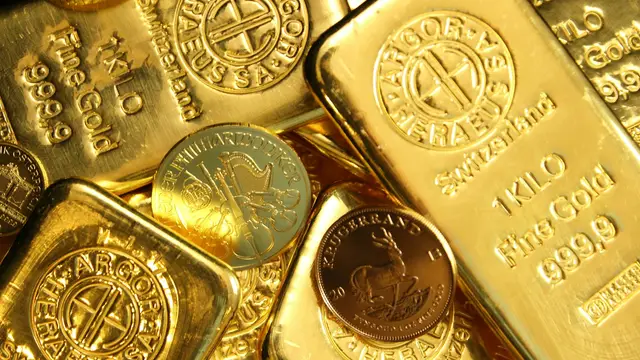
An ounce of gold sounds simple enough. Then you meet troy ounces, fineness and premiums. Let's put those words into plain English so you know what you're buying.
A Gold IRA custodian administers the retirement account, processes authorized instructions and arranges the account’s reporting.
A Roth conversion changes the tax treatment of retirement funds; buying gold changes the asset held. Understand each decision and its cos…
A self-directed Gold IRA lets you select eligible physical precious metals for a retirement account.
Gold IRA tax treatment depends on the account type, funding route, distributions and your circumstances.
Bullion is precious metal bought primarily for its metal content, commonly as coins, bars or rounds.
Monetary systems can change. The end of dollar–gold convertibility is a useful example of that history—not proof that a particular crisis…
National debt measures government borrowing. Learn how debt, interest costs and purchasing power differ before connecting a fiscal headli…
Federal Reserve policy affects rates, credit and expectations. Learn why those influences matter to gold without treating one policy move…
Gold is sometimes described as financial “insurance” because it differs from stocks, bonds and cash.
A gold standard is a monetary system. Owning a gold coin is a private purchase. Knowing the difference keeps history from becoming a misl…
Inflation changes what money buys. Gold is often discussed in response, but a concern about rising prices should lead to informed questio…
Gold and silver differ in industrial demand, unit size and storage needs. Compare the actual coins, bars and purchase terms rather than a…
A U.S. national debt timeline records borrowing over time. Read nominal totals alongside economic context, inflation and the definitions …
Explore gold’s history in trade, coinage and official reserves, and distinguish its enduring use from promises about a future bullion price.
COMEX and NYMEX are CME Group exchanges where participants trade standardized commodity contracts, including precious metals.
LBMA Good Delivery defines standards for refiners and bars in the wholesale gold and silver market.
Spot price is a market reference, not the full price of a coin or bar. Understand fabrication, premiums and transaction terms before comp…
Private Home Delivery brings gold or silver purchased outside a retirement account into your possession.
An approved depository stores the physical metals held by a Gold IRA.
Allocated storage identifies metal recorded for an owner; segregated storage describes physical separation. Read both definitions in the …
Segregated and commingled storage organize IRA metals differently. Compare holding records, return provisions and charges in the deposito…
Compare physical gold coins and bars by fine content, purity, unit size and packaging. Understand purchase costs and custody before choos…
Gold IRA eligibility depends on the exact metal product, applicable standards and your custodian’s acceptance.
Compare physical silver coins and bars by weight, purity and unit size. Plan for storage, recordkeeping and a future sale or transfer to …
Precious metals can be kept through personal possession, a personal depository agreement or IRA custody.
Sovereign-mint gold coins have identifiable designs and published specifications that help buyers and dealers recognize them.
Interest rates affect the comparison between gold and income-producing assets.
A bullion coin’s resale offer depends on its identity, condition, current market and the buyer’s terms.
Gold coins and smaller bars make tangible gifts with identifiable weight, purity and mint or refiner details.
Local coin shops, online dealers and specialist-led firms offer different ways to buy bullion.
A CLEAR ANSWER
Start with fine metal content, troy weight, purity and product format. Then understand the full purchase cost, delivery or custody, recordkeeping and how a future sale works. Physical gold and silver do not pay income, and their market prices can fall.
A Gold IRA, private home delivery, or selling your metals. Start with clear answers to your questions.