
If the Market Keeps Going Up, Why Would I Buy Gold?
Kelvin Bratton2026-09-20
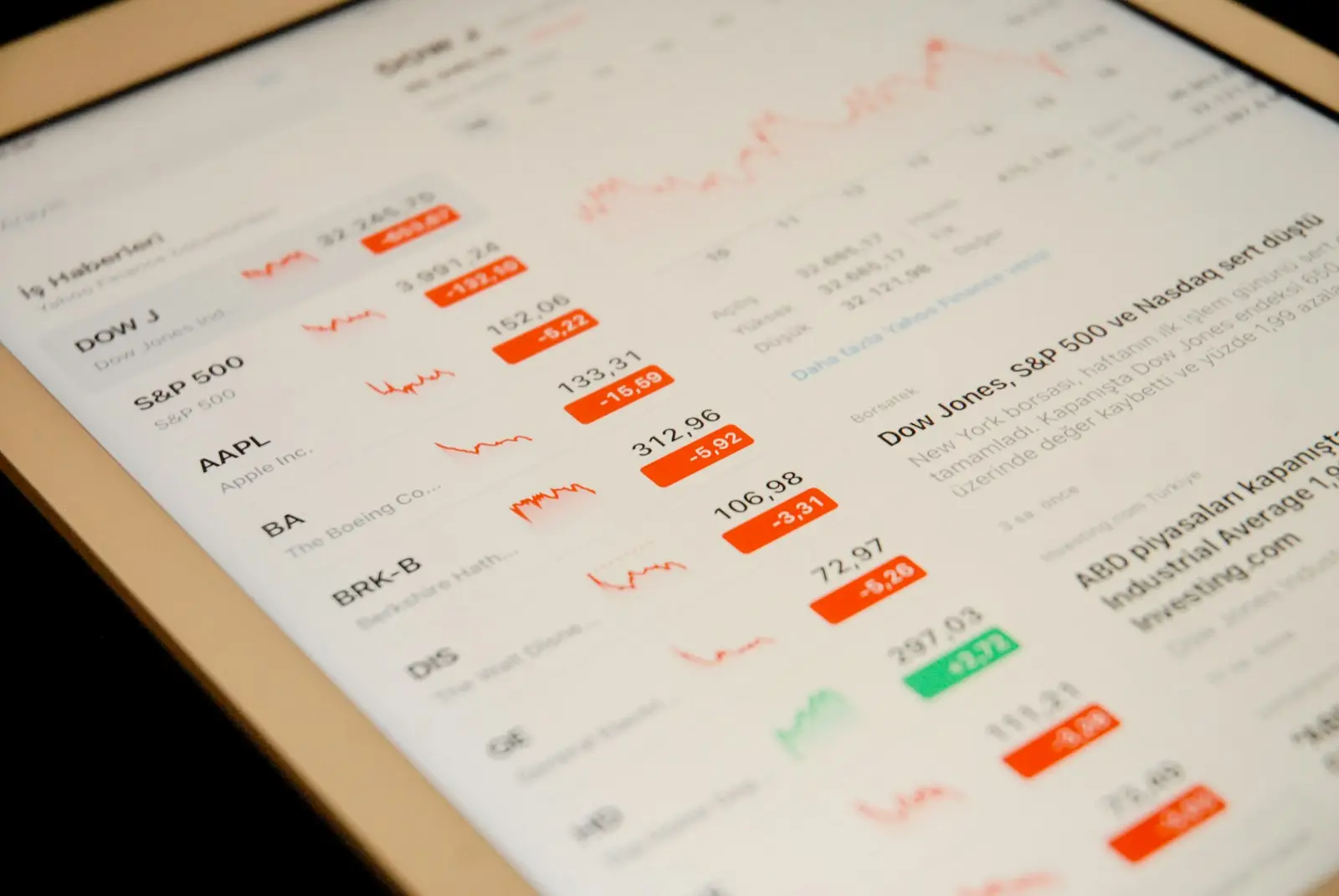
The S&P 500 has posted impressive returns over the past decade, and when you're watching your stock portfolio climb, it's natural to wonder why anyone would bother with gold. After all, gold doesn't pay dividends, doesn't generate cash flow, and sometimes sits there losing value while stocks soar. If your equity investments are doing well, isn't gold just dead weight?
This question becomes even more pressing when you look at recent market performance. Many investors have experienced substantial gains from their stock portfolios, and the temptation to abandon traditional hedges like gold grows stronger with each bull market rally. Yet seasoned investors and central banks around the world continue to accumulate gold, even as markets reach new highs.
The answer isn't that simple. Understanding why gold matters, even during market rallies, requires looking beyond short-term performance and examining what gold actually does in a diversified portfolio. Let's explore why intelligent investors continue to allocate to gold regardless of how well stocks are performing.
Gold Serves a Different Purpose Than Stocks
Stocks and gold play fundamentally different roles in your portfolio. When you buy a stock, you're purchasing a piece of a business that generates revenue, profits, and hopefully grows over time. Gold doesn't do any of that. It sits there, unchanging, neither creating value nor consuming resources.
But that's exactly the point.
Gold's value comes from what it preserves, not what it produces. Throughout history, gold has maintained purchasing power across centuries, governments, and economic systems. According to historical analyses, an ounce of gold bought roughly the same amount of bread in ancient Rome as it does today. That's not a promise of returns. It's a demonstration of stability.
Stocks thrive when businesses grow, consumers spend, and economies expand. Gold shines when those conditions reverse or uncertainty clouds the future. The two assets move to different rhythms, which creates portfolio balance that single-asset investing can't provide.
The Dollar Connection You Can't Ignore
One reason gold remains relevant even during stock market rallies comes down to currency dynamics. The U.S. dollar's value fluctuates based on monetary policy, government debt levels, and international confidence in American economic management. When inflation rises or the dollar weakens, gold typically appreciates because it takes more dollars to buy the same ounce of metal.
CBS News notes that gold is often viewed as a hedge against inflation because it offers stability against the value of the dollar. When inflation brings the purchasing power of your cash down, gold tends to move in the opposite direction. This relationship exists independently of stock market performance.
Consider this scenario: stocks rally 15% in a year, but inflation runs at 7%. Your nominal returns look great, but your real purchasing power only increased by 8%. If the dollar continues losing value, your paper gains don't translate to proportional increases in what you can actually buy. Gold helps counterbalance that dynamic.
Central banks understand this relationship intimately. According to J.P. Morgan Global Research, gold prices surged in 2025, driven by tariff uncertainty and strong demand from exchange-traded funds and central banks. These institutional buyers weren't fleeing stocks necessarily, they were adding ballast against currency and policy uncertainty.
Portfolio Insurance Against Unknown Risks
Stock markets can continue rising for years, even decades. But they don't rise in straight lines, and the corrections that do come often arrive suddenly and severely. Gold acts as portfolio insurance, providing protection you hope you won't need but are grateful to have when storms hit.
Think about the COVID-19 market crash in March 2020. The S&P 500 dropped over 30% in a matter of weeks. During that same period, gold initially sold off with everything else but quickly recovered and eventually reached new all-time highs while stocks were still struggling to regain lost ground. Investors who held gold positions experienced less portfolio volatility and had capital to redeploy when stocks were cheap.
This insurance doesn't just apply to market crashes. Geopolitical tensions, banking crises, political uncertainty, and policy mistakes all create scenarios where stocks and gold diverge. According to Reuters reporting on recent gold price movements, gold surged past $4,000 an ounce to hit a record, driven by investors seeking safety from mounting economic and geopolitical uncertainty.
The value of insurance isn't measured by how often you file claims. It's measured by what you're protected from when something goes wrong. Gold provides that protection independently of whether stocks are rising or falling today.
The Psychology of Market Peaks
Here's an uncomfortable truth: the best time to add portfolio protection is precisely when you feel like you need it least. When markets are surging and your stocks are posting impressive gains, the psychological pull to abandon defensive assets grows stronger. This is also exactly when portfolios are most vulnerable to reversals.
A Reddit discussion among gold investors highlighted this behavioral paradox: people buy gold when it's going up due to fear of missing out, and sell when it's going down because they panic about losing everything. This emotional rollercoaster stems from treating gold like a speculative investment rather than what it actually is: strategic diversification.
The investors who benefit most from gold aren't those trying to time its price movements. They're the ones who maintain consistent allocations regardless of current market sentiment. When stocks are expensive and euphoria runs high, gold positions provide natural rebalancing opportunities. When stocks crash and fear dominates, gold holdings offer stability and dry powder.
Liberty Gold Silver's clients often discover this principle through experience. Many come to precious metals after a market correction reminds them that bull markets don't last forever. The ones who establish positions during calm periods, rather than waiting for crisis, build portfolios that can weather uncertainty without forcing panic decisions.
Diversification Math That Actually Works
Modern portfolio theory demonstrates that adding non-correlated assets reduces overall portfolio risk without necessarily reducing returns. Gold's low or negative correlation with stocks makes it an efficient diversifier, meaning a modest allocation can disproportionately reduce portfolio volatility.
Let's look at practical numbers. A portfolio of 100% stocks might generate average annual returns of 10% with significant volatility. Adding 10-15% gold typically reduces overall portfolio volatility more than it reduces returns. Over long periods, the risk-adjusted returns often improve because you're avoiding some of the deep drawdowns that force investors to sell at the worst times.
This isn't theoretical. According to a Quora discussion among investment professionals, gold prices typically reflect economic concerns and a less valuable dollar. Only if you believe today's economy represents the "new normal" would gold become irrelevant. But economic cycles persist, and gold's role as a portfolio stabilizer remains valuable across those cycles.
The key is understanding that optimal portfolio construction doesn't mean choosing the single best-performing asset. It means combining assets that behave differently under various conditions. Gold contributes to that combination even when it's not the top performer.
What Central Banks Know That You Should Too
Central banks are among the world's most sophisticated investors, managing trillions in reserves with professional teams analyzing every decision. And what are they doing? Buying gold at record levels.
According to J.P. Morgan Global Research, strong demand from central banks helped drive gold to new highs in 2025. These aren't retail investors chasing trends. These are national institutions with decades-long investment horizons protecting their countries' wealth. They accumulate gold even when stock markets are strong because they understand portfolio risk extends beyond next quarter's earnings reports.
Central banks maintain gold reserves for several strategic reasons. Gold holdings can't be devalued by another country's monetary policy. They provide liquidity during crises when other assets might be frozen. And they maintain value independently of any government's fiscal situation.
Individual investors can apply the same logic. Your portfolio faces similar risks to central bank reserves, just on a different scale. Currency devaluation, policy uncertainty, and black swan events affect everyone. The protective qualities of gold work the same way whether you're managing $10,000 or $10 billion.
The Concentration Risk in Your Portfolio
Most investors are more concentrated in paper assets than they realize. Your salary comes in dollars. Your savings account holds dollars. Your retirement accounts are filled with stocks and bonds denominated in dollars. Your home's value correlates with local economic conditions that also affect your stocks.
Everything is connected to the same economic system, creating concentration risk that becomes obvious only during systemic problems. When that system faces stress, all your correlated assets can decline together, leaving you with less diversification than you thought you had.
Gold breaks that concentration because it exists outside the traditional financial system. It's not someone else's liability. It doesn't depend on a corporation's management team or a government's policy choices. Physical gold is simply gold, with value recognized worldwide regardless of local economic conditions.
Liberty Gold Silver specializes in helping investors understand this distinction and build positions in physical precious metals that provide genuine portfolio diversification. While many firms offer paper gold products or complex derivatives, physical gold and silver holdings eliminate counterparty risk and provide true independence from financial system stress.
Timing the Market vs. Time in the Market
The question "Should I buy gold now?" often reveals a misunderstanding about what gold investing really means. Gold isn't a speculation about short-term price movements. It's a long-term strategic allocation that provides stability across complete economic cycles.
Yahoo Finance UK notes that gold should always be seen as a long-term investment strategy, and the time is right if you have the funds and you're in a financially stable position. This perspective differs sharply from trying to time gold purchases based on current stock market conditions.
Consider what happens when investors try to time their gold purchases. They wait for stocks to fall before buying gold, but by then gold prices have often already risen. They sell gold when stocks rally, missing the insurance value when they need it most. They end up buying high and selling low, exactly the opposite of what successful investing requires.
The alternative approach treats gold as a permanent portfolio component. You establish your target allocation and maintain it through regular rebalancing. When stocks rally and gold lags, you naturally sell some stocks and buy more gold. When stocks crash and gold rallies, you do the reverse. This disciplined approach captures value from volatility rather than being victimized by it.
The Real Cost of Going Without
Not owning gold during a bull market means missing some upside in stocks. But the math on opportunity cost goes both ways. Not owning gold during a crisis means your entire portfolio crashes together, forcing you to either sell at the bottom or endure years of recovery.
Which scenario is more damaging? Missing 2-3% of annual returns by holding some gold during good times, or watching your portfolio drop 40% during bad times with no counterbalance? The behavioral reality is that most investors can't stomach the latter. They panic and sell, locking in losses and missing the recovery.
Gold helps you avoid that scenario. It provides psychological and financial cushioning that keeps you invested through downturns. That benefit is hard to quantify on spreadsheets, but it's enormously valuable in practice.
The investors who maintained gold positions through 2020 had stable assets when stocks crashed. They didn't need to sell equities at depressed prices. They could even reallocate some gold profits into cheap stocks if they wanted. That flexibility only exists when you have truly diversified holdings before crisis strikes.
How Much Gold Makes Sense?
The optimal gold allocation varies by individual circumstances, risk tolerance, and financial goals. Traditional portfolio recommendations often suggest 5-15% in precious metals, though some investors comfortable with greater volatility hold more.
The important principle is consistency. Choose an allocation that you can maintain through various market conditions without constantly second-guessing yourself. If 10% feels right, establish that position and rebalance as needed to maintain it. The specific percentage matters less than the discipline of maintaining strategic diversification.
Liberty Gold Silver works with clients to establish precious metals positions aligned with their overall investment strategies. Rather than pushing maximum allocations, the focus is on sustainable positions that serve genuine portfolio needs. Physical gold and silver provide the most straightforward exposure without complex products or management fees eroding value over time.
Some investors separate their precious metals allocation between gold and silver, with gold providing primary stability and silver offering greater upside potential during commodity cycles. Both serve the core function of portfolio diversification outside traditional financial assets.
Taking the Next Step
Understanding why gold matters even during bull markets is just the first step. Implementing that understanding requires actually establishing a position before you need it. Waiting until the next crisis eliminates the benefit because gold prices typically rise before investors recognize what's happening.
Starting a precious metals position doesn't mean abandoning stocks or making dramatic portfolio changes. It means acknowledging that comprehensive diversification includes assets that behave differently than equities and bonds. It means accepting that optimal portfolios aren't built around maximizing returns in good times, but surviving bad times without permanent damage.
Liberty Gold Silver offers a straightforward path to establishing physical precious metals positions. Whether you're looking to start with a modest allocation or build substantial holdings over time, physical gold and silver provide the portfolio stability and independence that paper assets can't match. The difference becomes especially clear when investors compare the simplicity and security of owning physical metals versus the complexity and counterparty risks of financial derivatives and paper products.
The market might keep going up. Eventually it won't. Gold helps you benefit from both scenarios without betting your entire portfolio on correctly timing the transition. That's not exciting, but it's effective, and over the long term effective beats exciting every time.
- CBS News. "Should you buy gold when prices are high?" https://www.cbsnews.com/news/should-you-buy-gold-when-prices-are-high/
- J.P. Morgan Global Research. "Gold price predictions from J.P. Morgan Global Research." https://www.jpmorgan.com/insights/global-research/commodities/gold-prices
- Reddit r/Gold. "Why do people buy gold when it's going up, and sell when it's going down?" https://www.reddit.com/r/Gold/comments/1gx5eqk/whydopeoplebuygoldwhenitsgoingupandsell/
- Reuters. "Why is gold soaring and how are investors buying it." https://www.youtube.com/watch?v=6D-0U81EQmo
- Yahoo Finance UK. "Should you invest in gold?" https://uk.finance.yahoo.com/news/should-i-invest-gold-prices-123542208.html
- Quora. "Is it wise to buy gold now that the price has increased so much?" https://www.quora.com/Is-it-wise-to-buy-gold-now-that-the-price-has-increased-so-much
This article is educational. It is not a recommendation to buy or sell anything, and it does not consider your circumstances. Prices can move in either direction.