
Inflation, Purchasing Power and Gold
By Kelvin BrattonPublished · Updated
Inflation changes what money buys. Gold is often discussed in response, but a concern about rising prices should lead to informed questions—not an automatic purchase.
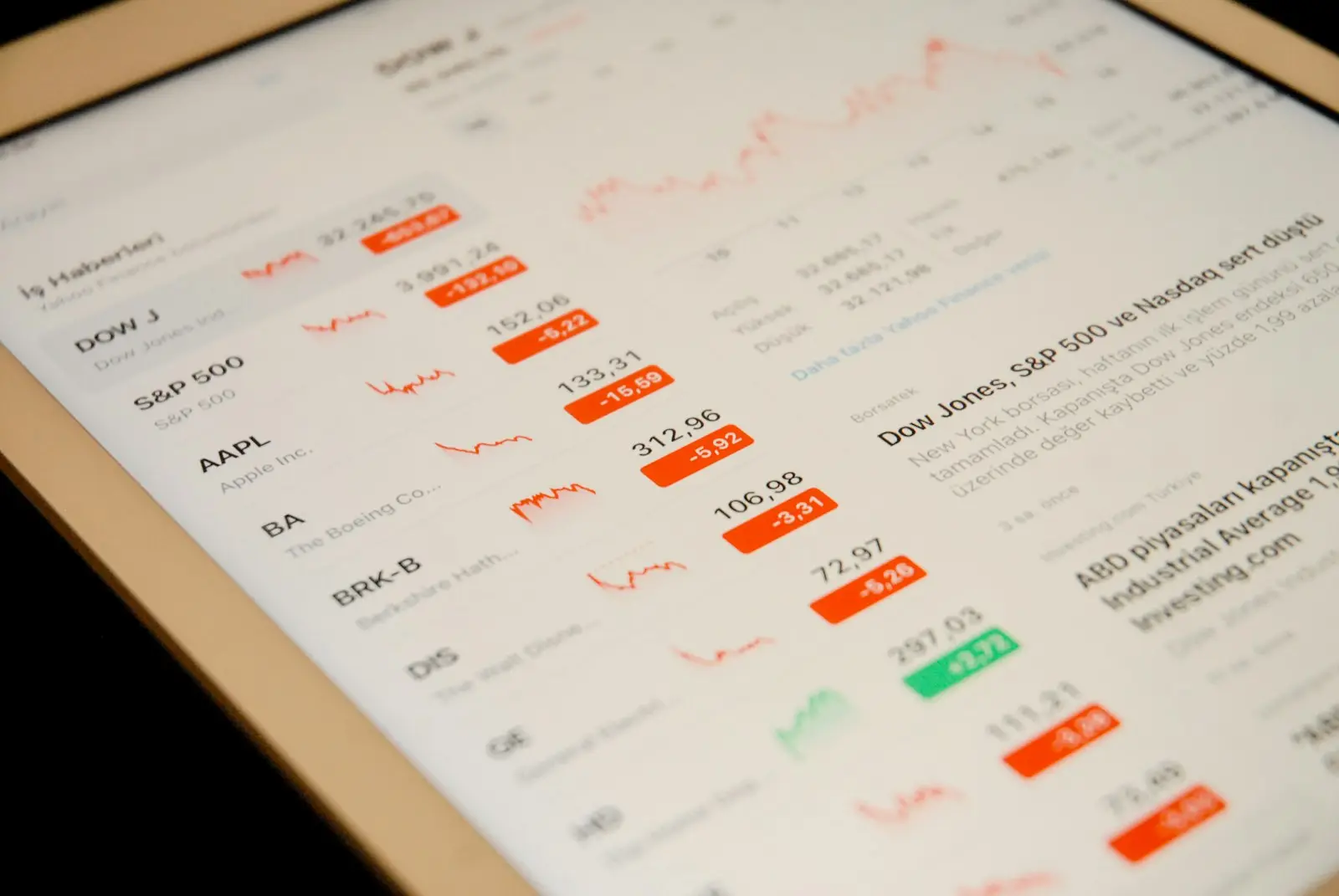
If the same grocery money brings home fewer bags, you've felt a loss of purchasing power. Inflation puts a measure on rising prices. Gold often enters that conversation, but its price doesn't follow your grocery bill step for step.
Gold does not move in lockstep
Gold has a long history as a monetary metal, but its price does not track every inflation release point for point. Rates, currency movements and investment demand can influence it alongside inflation expectations.
It can fall during a period when prices elsewhere are rising. It also pays no income. A purchase made for a broad preservation purpose should still be reviewed for costs, volatility and access to funds.
Purchasing power depends on what the money can buy
Inflation describes price changes across goods and services, not merely an increase in one household bill. The Consumer Price Index measures changes in a defined consumer basket; an individual's spending pattern can differ from that basket. A general inflation figure can provide context without describing every expense you personally face.
The distinction between nominal and real results follows from that. An account may increase in dollars while buying less after prices rise. Comparing the gain with inflation helps frame purchasing power, but a precise real return uses the relationship between the two changes rather than treating simple subtraction as exact in every case.
A metal price is a separate market series
Gold's price reflects the market for gold. Consumer prices reflect a broad set of purchases. They need not move together in every month or year. A period when both rise is not proof that gold reliably offsets your household inflation, and a period when they diverge should not be edited out of the comparison.
Use consistent dates, currencies and measures when examining the relationship. A long chart may help test a claim; a selectively chosen beginning and ending can make the same asset appear very different. The practical purchase also includes product and account and storage costs that a market chart does not show.
Compare bullion costs, storage and selling
Discuss purchasing-power concerns with your qualified financial adviser. If you then want to understand physical gold, examine the actual coins or bars, their full purchase cost and the custody arrangement.
Your LGS specialist can explain how buying and selling work. The goal is a holding and relationship you understand, rather than a reassuring claim that disappears when you ask how it would work.
Further Reading
This article is educational. It is not a recommendation to buy or sell anything, and it does not consider your circumstances. Prices can move in either direction.