Recognizable Gold Coins: What to Compare
By Kelvin BrattonPublished · Updated
Sovereign-mint gold coins have identifiable designs and published specifications that help buyers and dealers recognize them.
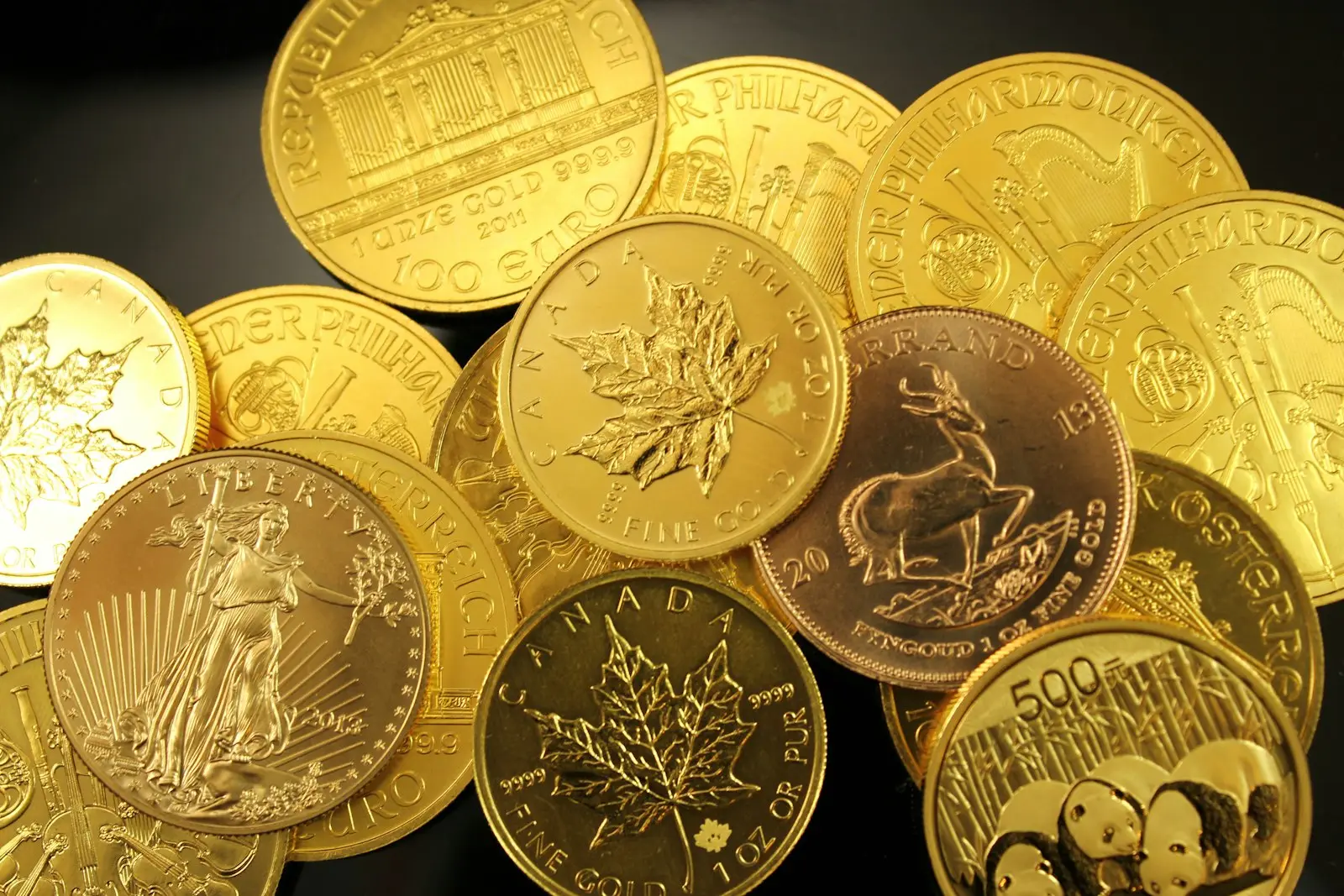
A familiar design helps a dealer recognize a coin, much like a familiar name helps start an introduction. The details still matter: year, weight, purity and condition. Recognition opens the conversation; it doesn't replace evaluation.
Two familiar American coins show why specifications matter
The American Gold Eagle and American Gold Buffalo both come from the U.S. Mint, but they are not the same product. The Eagle bullion program uses a 22-karat alloy; its one-ounce version contains a full troy ounce of fine gold. The Buffalo is a 24-karat, .9999 fine gold coin. Compare the fine-gold content, not a purity percentage viewed in isolation.
Their designs also carry different American histories. The Eagle's obverse adapts Augustus Saint-Gaudens' Liberty design. The Buffalo draws on James Earle Fraser's Buffalo nickel imagery. Those identities can matter to an owner who wants a familiar American coin. They do not establish which product has the more favorable selling terms on a future date.
A product family is not an exact description
Year, size, finish and packaging can distinguish pieces within a familiar name. A bullion Eagle and a proof Eagle should not be treated as interchangeable simply because both say American Eagle. If the proposed price includes a collector element, identify that element separately.
The same discipline applies to international sovereign coins: name the mint, edition, fine weight and fineness of the actual piece. Product specifications can change across years or variants. A recognizable design should make the conversation easier, not let a seller skip the particulars.
Recognition is a starting advantage, not a substitute for evaluation
A familiar product can give a prospective buyer a standard description to investigate. Authenticity, condition and the transaction still need examination. There is no sound reason to claim that every recognized coin sells immediately, everywhere, at the same price. Ask about a real sale process, and keep the documentation that makes your particular holding identifiable.
Think about the future transaction
Keep records and packaging where relevant. Ask how a proposed buyback would be evaluated and arranged. A later offer to buy the coins depends on the market and transaction terms at that time, not only on the name on the coin.
LGS explains the products side by side and remains available after purchase. Recognition should make holdings easier to understand—not give a seller a reason to leave the details unexplained.
Further Reading
This article is educational. It is not a recommendation to buy or sell anything, and it does not consider your circumstances. Prices can move in either direction.