
Gold or Silver? Compare Their Products, Costs and Storage
By Kelvin BrattonPublished · Updated
Gold and silver differ in industrial demand, unit size and storage needs. Compare the actual coins, bars and purchase terms rather than a price forecast.
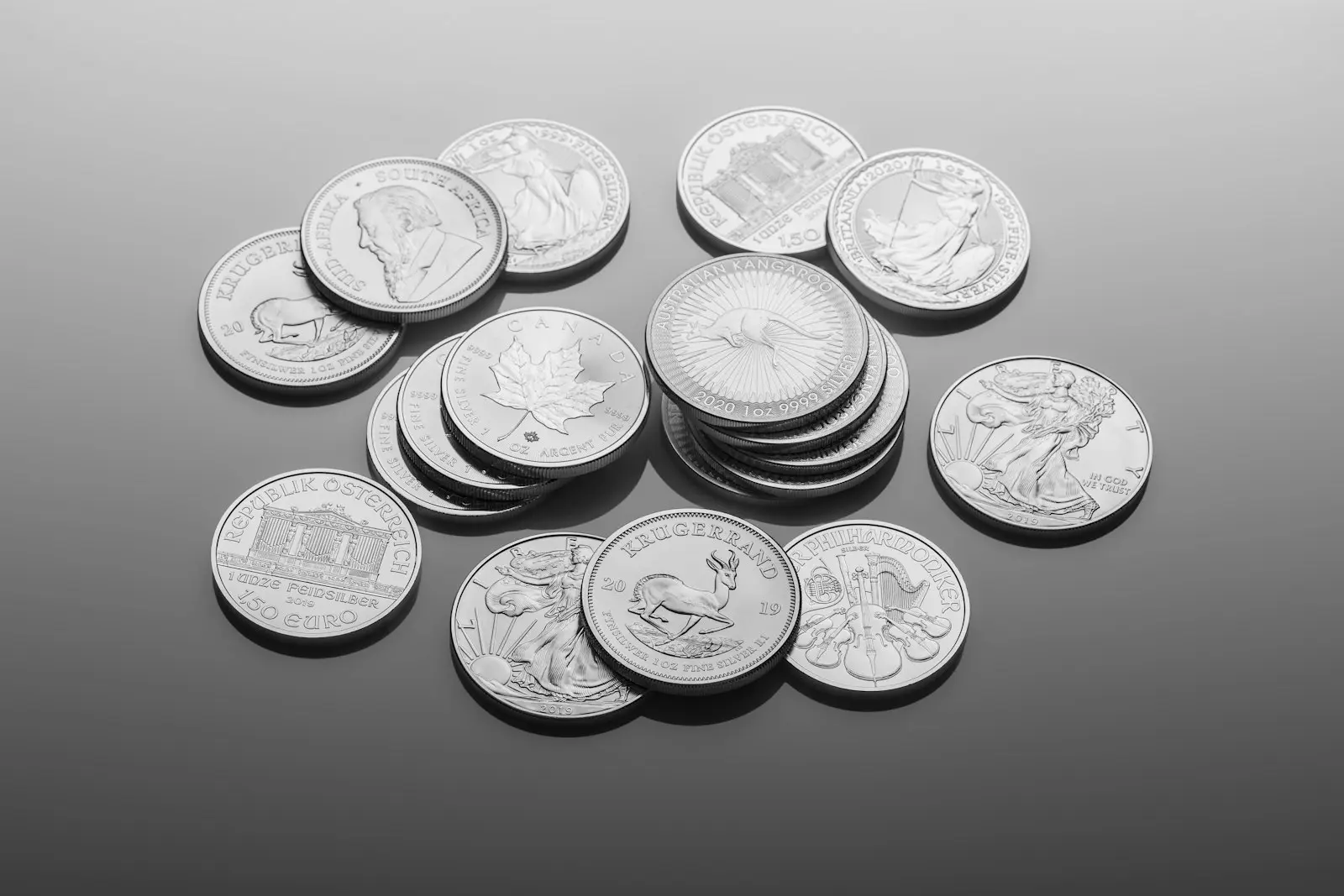
An ounce of gold and an ounce of silver weigh the same, but they make very different purchases. Compare what the same budget buys, how much space the metal takes and how you'd sell part of it. The practical differences matter alongside the markets.
Format can matter as much as the metal
A one-ounce coin and a larger bar offer different ways to divide a holding. Smaller units can be sold or given individually, while a larger piece places more metal in a single transaction. Compare the full product purchase price instead of assuming a broad metal preference resolves those choices.
A recognizable product is useful, but recognition alone does not guarantee its resale value. Ask how the specific piece is identified and how a future buyback would be arranged.
Compare equal spending as well as equal ounces
One ounce of gold and one ounce of silver are equal units of weight, not equal purchase amounts. A comparison based on a fixed budget therefore involves different quantities of material. That physical difference affects packaging, handling and storage. It is worth considering before a personal delivery, not after the shipment arrives.
The gold-to-silver ratio compares reference prices by dividing the gold figure by the silver figure. It can describe a relationship at a particular time. It does not establish that the ratio must return to a favored historical level or that either metal is automatically undervalued. Different periods and price series produce different comparisons.
Their uses create different market questions
Gold has monetary, jewelry and industrial uses. Silver also serves a personal purchase and manufacturing demand, including electrical and photovoltaic applications. Neither metal responds to just one driver. Currency changes, rates, investor interest, production and available holdings can all matter in different ways.
Choosing physical products then adds another layer. Compare the coin or bar, denomination, fineness and full purchase terms. A discussion of metal markets should not conceal whether you are being offered a one-ounce sovereign coin, a fractional piece or a larger refiner's bar. The product decision is practical as well as financial.
Choose between gold and silver formats
The gold-to-silver ratio compares two market prices. It does not account for your purchase terms, storage or financial circumstances. A high or low reading is not a personal instruction to buy one metal over the other.
We can explain gold and silver side by side, with actual product and custody details. Your qualified advisers help decide whether either belongs in your plan. A useful comparison should leave you clearer about holdings, not more dependent on a prediction.
Further Reading
This article is educational. It is not a recommendation to buy or sell anything, and it does not consider your circumstances. Prices can move in either direction.