
COMEX and NYMEX: The Market Behind the Headlines
By Kelvin BrattonPublished · Updated
COMEX and NYMEX are CME Group exchanges where participants trade standardized commodity contracts, including precious metals.
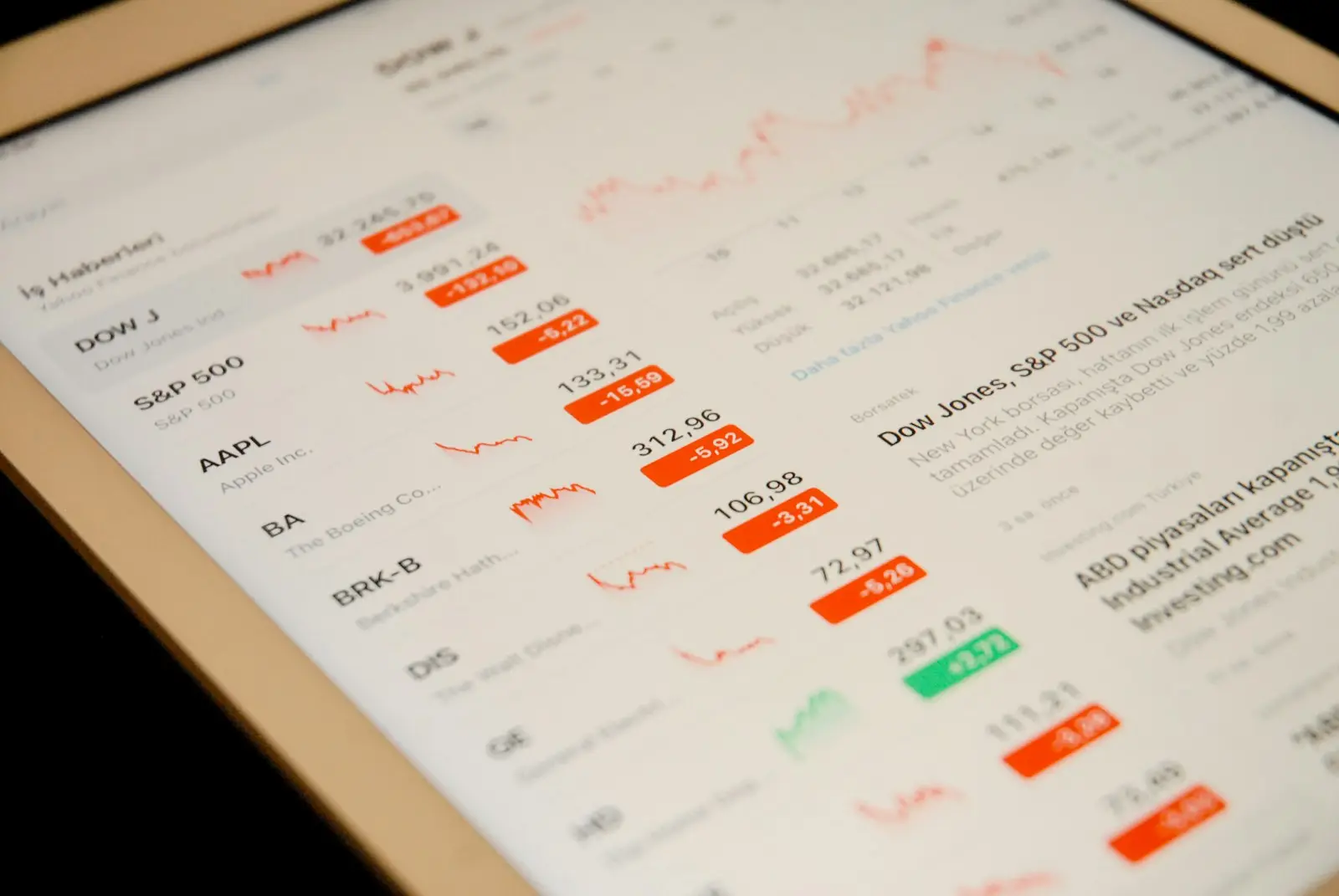
A futures contract and a gold coin aren't the same purchase. COMEX and NYMEX are exchanges for standardized contracts with their own sizes, dates and settlement rules. Understanding that helps separate market headlines from ordering physical bullion.
If you buy coins or bars, you are not making the same transaction as a futures trader. But the markets are connected. Understanding that connection makes a price chart more useful—and keeps an exchange contract from being mistaken for bullion you personally possess.
A contract has a size, a month and a settlement process
A futures contract establishes an obligation under the exchange's rules for a specified commodity and delivery month. CME's standard Gold futures contract represents 100 troy ounces. Other gold contracts have different sizes and terms, so “gold futures” is not one interchangeable product.
Traders can close positions before the delivery process. A position held into delivery is subject to its contract's particular requirements. The existence of a delivery mechanism does not mean every trade causes a truck to leave a warehouse, or that every investor is buying metal for personal possession.
Margin is another difference. Futures participants post collateral and face continuing margin requirements as positions change in value. A small initial outlay does not represent a small exposure. A fully paid bullion purchase has its own risks and costs, but it is not the same leveraged contract position.
Why a producer might use the market
A miner expects to produce metal, but cannot know its future selling price. A manufacturer expects to need metal, but cannot know its future input cost. Futures can help them manage that uncertainty. A hedge is a way of addressing a business exposure, not necessarily a view that the next market move will be up or down.
For example, a producer concerned about falling prices may use a futures position to offset part of that exposure. A user concerned about rising input costs may take the other side. The details matter: quantity, timing and the relationship between the hedged material and the contract all affect the result.
Speculators also participate, bringing orders and taking risk. The price emerges from buyers and sellers interacting under the exchange's rules. That activity provides information to the wider market, alongside wholesale transactions and other trading venues. No single chart explains every physical product's final purchase price.
Warehouse figures need their definitions
CME distinguishes eligible metal from registered metal. Eligible metal meets applicable exchange specifications and is held at an approved facility. Registered metal is eligible metal for which a warrant has been issued. A warrant is tied to the exchange's documented delivery process; it is not the same as a retail receipt for a coin.
Those categories should be read with the report's date, contract and definitions. A change between categories is not automatically evidence that the metal vanished. Nor does a comparison of open contracts with one inventory category, on its own, establish that every contract holder will demand delivery simultaneously.
Inventory reports can inform an analysis. They cannot replace one. Before accepting a dramatic interpretation, ask which holdings are counted, what changed and whether the claim confuses total trading activity with outstanding obligations at a particular time.
A retail product has a supply chain of its own
The underlying market can move while a particular coin remains hard to obtain. Fabrication, packaging, transport, available inventory and demand for a specific product affect physical purchase terms. A generic market reference is not a promise that every bar or coin can be purchased immediately at that figure.
The same applies when selling. Identify the product, quantity and condition, then review the actual transaction terms. A futures settlement figure does not tell you precisely what a dealer will pay for your particular holding.
For an IRA purchase, exchange standards are not the entire account decision either. Product eligibility, custodian acceptance and qualified custody require their own review. A recognized manufacturer is useful information, but it does not settle every retirement-account requirement.
Futures contracts and physical bullion purchases
A futures position, a fund share and an identified physical coin are different arrangements. Each has its own rules, costs and practical consequences. Treating everything except a coin as imaginary “paper” hides distinctions a careful buyer needs to understand.
Liberty Gold Silver deals in physical precious metals. We compare the available options and purchase arrangement, including Gold IRA coordination with the custodian and depository or Private Home Delivery for a personal purchase. You do need to know when a market reference stops and your specific transaction begins.
Further Reading
This article is educational. It is not a recommendation to buy or sell anything, and it does not consider your circumstances. Prices can move in either direction.