
What Is LBMA? Understanding the Gold and Silver Standard That Protects Your Investment
Kelvin Bratton2026-09-20
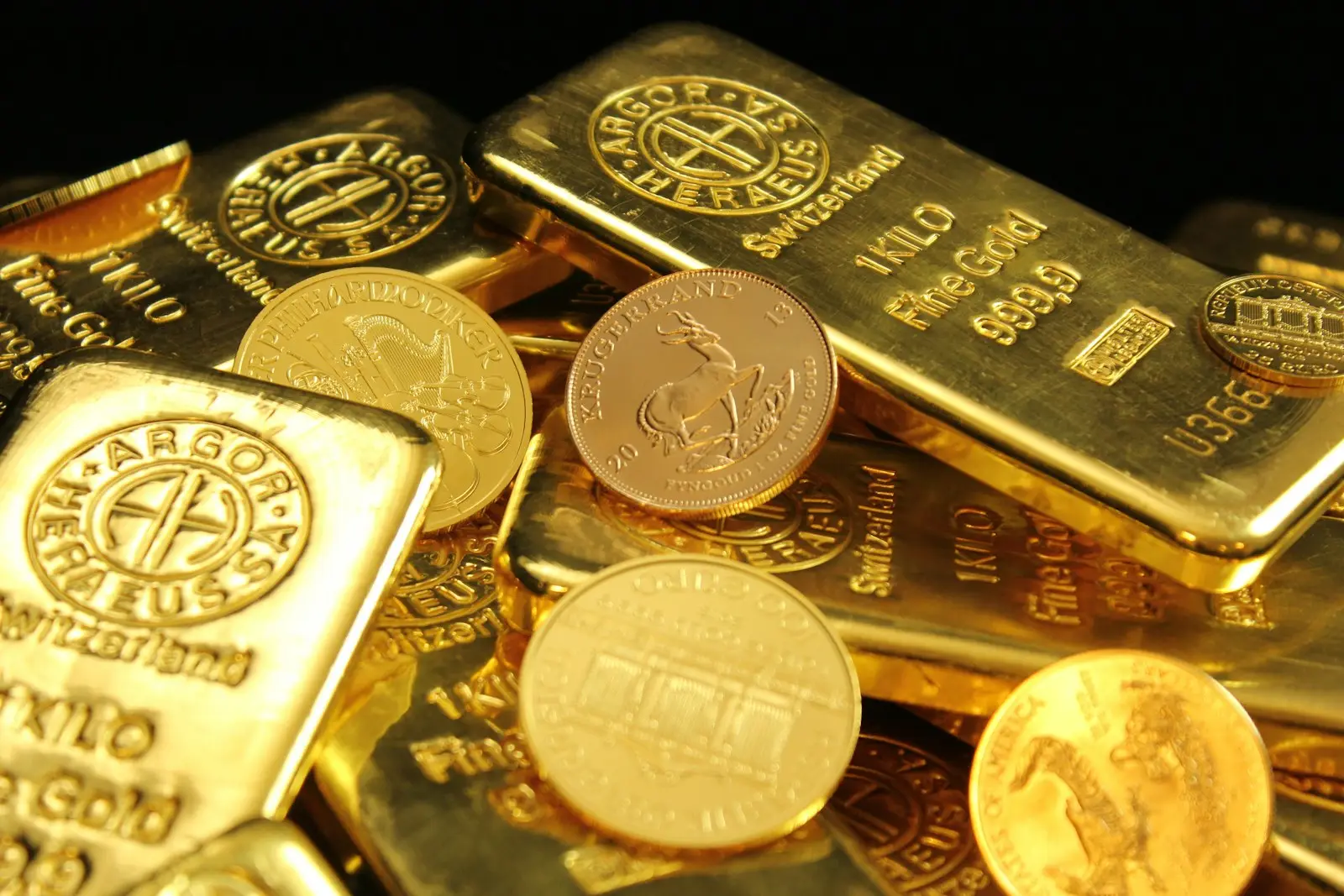
When you're putting thousands of dollars into physical gold or silver, you want confidence that what you're buying is legitimate. That's where LBMA comes in.
The London Bullion Market Association sets the global standard for precious metals quality. If you're buying bars for an IRA or building a personal bullion portfolio, understanding LBMA accreditation can save you from costly mistakes. Not all gold and silver products meet the strict requirements that exchanges, vaults, and serious investors require. According to the World Gold Council, the LBMA Good Delivery List includes over 150 refiners whose bars represent the most trusted bullion in the global market.
In this post, you'll learn exactly what LBMA is, why it matters for your precious metals investment, and how to spot products that meet these worldwide standards.
What Is the LBMA?
The London Bullion Market Association is the international trade association that oversees the wholesale gold and silver market. Founded in 1987, LBMA brings together refiners, traders, vaults, and transport companies to maintain standards that keep the global precious metals market running smoothly.
Think of LBMA as the gatekeeper. They don't sell precious metals themselves. Instead, they set the rules everyone else follows.
Here's what they do:
- Maintain the Good Delivery List of approved refiners
- Set technical specifications for gold and silver bars
- Oversee assaying and weighing procedures
- Publish daily price benchmarks used worldwide
- Enforce standards through regular audits
The organization operates primarily in London, but its influence reaches every corner of the precious metals market. Major exchanges like COMEX, NYMEX, and the London Metal Exchange all recognize LBMA standards. When refiners and vaults talk about "good delivery" bars, they're referring specifically to LBMA requirements.
Understanding the Good Delivery List
The Good Delivery List is LBMA's register of approved refiners. Only bars produced by refiners on this list can be traded on the London wholesale market and stored in professional vaults without additional verification.
According to LBMA documentation, refiners must pass rigorous testing before they're added to the list. The process typically takes six months to a year and includes physical testing of sample bars, facility inspections, and proof of consistent quality control. Once approved, refiners face ongoing audits to maintain their status.
The list includes household names like PAMP Suisse, Johnson Matthey, and Royal Canadian Mint. It also includes lesser-known refiners from countries like Kazakhstan, Turkey, and Mongolia. What matters isn't the name recognition. It's the testing and oversight.
When a refiner loses its Good Delivery status, it's serious. Their bars lose liquidity overnight. Professional buyers won't touch them without expensive re-assaying. This accountability keeps standards high across the industry.
LBMA Gold Bar Standards
Gold bars must meet specific requirements to qualify as Good Delivery. These aren't suggestions. They're firm specifications that refiners must hit every single time.
Weight: Between 350 and 430 troy ounces (roughly 24 to 30 pounds). The most common size is the 400-ounce bar.
Fineness: Minimum 995 parts per thousand pure gold. Most bars exceed this, hitting 999.9 purity.
Markings: Every bar must display the refiner's stamp, serial number, year of manufacture, and fineness. These marks get struck directly into the metal.
Shape: Bars must have a flat top and bottom with trapezoidal sides. This design allows for tight stacking in vault storage.
Quality: No surface defects that might interfere with handling or storage. Refiners inspect every bar visually and test it for internal consistency.
According to LBMA technical specifications, these standards exist for practical reasons. A standard size and shape means bars stack efficiently. Consistent weight means easier calculation of value. High purity means universal acceptance.
At Liberty Gold Silver, we work exclusively with LBMA-accredited refiners for larger bar purchases. This protects your investment by ensuring the gold you buy meets the same standards that institutional investors and central banks require. When you're ready to sell, buyers recognize LBMA bars instantly and pay fair market value without requiring additional testing.
LBMA Silver Bar Standards
Silver follows similar principles to gold but with different specifications that reflect how silver gets used in global markets.
Weight: Between 750 and 1,100 troy ounces. The standard size is 1,000 ounces (about 68 pounds).
Fineness: Minimum 999 parts per thousand pure silver. Many refiners produce bars at 999.9 purity.
Markings: Refiner stamp, serial number, year, and fineness must appear on every bar.
Shape: Flat rectangular shape optimized for vault storage and transportation.
Silver bars can be significantly heavier than gold bars because silver is worth less per ounce. A 1,000-ounce silver bar contains more metal by weight than a 400-ounce gold bar, but it's worth only a fraction as much. This difference affects how investors buy silver for personal holdings versus IRAs.
For investors building positions in silver, smaller products like rounds and coins often make more practical sense than full LBMA bars. However, understanding LBMA standards still matters. According to COMEX delivery rules, silver products held in self-directed IRAs must typically be 999 pure and produced by refiners accredited by major exchanges or LBMA.
Why LBMA Accreditation Matters for Investors
The practical impact of LBMA standards hits your wallet in several ways.
First, liquidity. When you need to sell, LBMA bars command immediate recognition. Dealers know exactly what they're buying. They can verify authenticity quickly. You get fair market value without delays or disputes.
Second, storage. Professional vaults accept LBMA bars without question. Many won't even store non-accredited bars without expensive independent assays. If you're using allocated storage or vault services, LBMA compliance often determines what you can store.
Third, IRA eligibility. The IRS requires precious metals in self-directed IRAs to meet specific purity standards. Most custodians also require products from refiners recognized by LBMA, COMEX, NYMEX, or similar authorities. Buy the wrong product, and it won't qualify for tax-advantaged holding.
Fourth, premium costs. LBMA bars typically carry lower premiums over spot price compared to smaller products. According to industry data, large bars from Good Delivery refiners trade within 1-3% of spot price, while coins and rounds might carry premiums of 10% or more. This difference compounds when you're buying $50,000 or $100,000 in precious metals.
The competitive advantage here matters. Some precious metals dealers sell products that look legitimate but come from unaccredited refiners. These products might be pure metal, but they lack the market acceptance that makes them truly liquid. At Liberty Gold Silver, we're transparent about which products meet LBMA standards and which don't. We explain the trade-offs so you can make informed decisions based on your specific needs.
LBMA vs Other Precious Metals Standards
LBMA isn't the only standard in the precious metals world. Understanding how it compares to other certifications helps you evaluate different products.
COMEX/NYMEX: The New York Mercantile Exchange maintains its own list of approved refiners for futures contract delivery. Significant overlap exists with LBMA, but the lists aren't identical. COMEX specifications differ slightly in terms of weight tolerances and bar dimensions.
LME: The London Metal Exchange focuses primarily on base metals but maintains standards for platinum and palladium that complement LBMA's gold and silver focus.
National Mints: Government mints like the U.S. Mint, Royal Canadian Mint, and Perth Mint produce coins and bars under their own quality standards. Many of these facilities also appear on the LBMA Good Delivery List.
Private Refiners: Companies like PAMP Suisse and Valcambi have built reputations that sometimes exceed basic LBMA accreditation. Their products carry brand recognition that adds value in collector markets.
For IRA purposes, products must typically meet one of these major standards. A silver round needs 999 purity and production by an accredited refiner to qualify for tax-advantaged holding. According to IRS guidelines, the specific standard matters less than proof of purity and legitimate refining.
The practical takeaway: LBMA accreditation provides the broadest global recognition. A bar from an LBMA refiner trades easily in London, New York, Zurich, Dubai, or Singapore. Other standards may limit where and how easily you can sell.
How to Verify LBMA Compliance
When you're buying precious metals, verification protects your investment. Here's how to confirm LBMA compliance.
Check the Good Delivery List: LBMA publishes its complete refiner list on their website. The list updates regularly as new refiners gain approval or existing ones face audits. Look up the refiner's name before you buy.
Examine the Bar Markings: Legitimate LBMA bars display clear stamps. You'll see the refiner's registered mark, usually a symbol or company name. The serial number should be unique and traceable. Fineness and year should appear prominently. Missing or unclear markings are red flags.
Request Documentation: Reputable dealers provide assay certificates or refinery documentation with larger bar purchases. These papers confirm weight, purity, and origin. At Liberty Gold Silver, we include this documentation automatically with every LBMA bar purchase because we know it matters for future liquidity.
Understand Product Categories: Not every precious metals product needs LBMA accreditation. Coins from national mints, smaller bars for personal holding, and collectible items serve different purposes. LBMA standards matter most for large bars intended for professional storage, institutional sale, or IRA inclusion.
Know What You Are Buying: Ask whether a product comes from an LBMA-accredited refiner and why that matters for your goals. Vague phrases like "investment grade" or "high purity" are not the same as a named accreditation.
According to industry fraud reports, counterfeit gold and silver bars continue to enter the market, particularly through private sales and unverified online platforms. LBMA verification provides protection against these risks. When a bar comes from an accredited refiner, you're buying into a system with layers of oversight and accountability.
LBMA Pricing Benchmarks
Beyond setting quality standards, LBMA administers the daily price benchmarks that the global precious metals market uses for contracts, settlements, and valuations.
The LBMA Gold Price and Silver Price replaced the older "London fix" process in recent years. These benchmarks get set through electronic auctions held twice daily for gold and once for silver. Participating banks submit buy and sell orders, and the system calculates a clearing price where supply meets demand.
Why does this matter for individual investors?
According to LBMA data, roughly $30 billion in gold changes hands daily based on these price benchmarks. The system's integrity affects everything from gold mining company valuations to the prices you pay at local coin shops.
LBMA benchmarks represent the real wholesale market. Legitimate pricing works from these numbers, not around them.
Making LBMA Work for Your Investment Strategy
Understanding LBMA standards helps you build a smarter precious metals portfolio. Here's how to apply this knowledge.
For IRA Holdings: Prioritize products from LBMA-accredited refiners if you're buying bars. Coins from national mints typically qualify even without specific LBMA listing. Work with your custodian to confirm requirements before purchasing.
For Large Positions: If you're investing $25,000 or more, LBMA bars offer lower premiums and better liquidity than smaller products. The upfront savings can be substantial, and selling becomes easier when you're ready to liquidate.
For Personal Holdings: Smaller investors often benefit from a mix. Some LBMA-compliant bars provide core holdings, while government-minted coins add flexibility for partial sales or emergency liquidity.
For Future Flexibility: LBMA compliance keeps your options open. You can sell internationally, use products as loan collateral, or convert holdings into different forms later. Non-compliant products lock you into narrower markets.
Common Misconceptions About LBMA
Several myths about LBMA standards create confusion for precious metals buyers.
Myth 1: Only LBMA products are legitimate investments. Reality: Plenty of quality products come from refiners not on the LBMA list. American Eagles, Canadian Maples, and bars from regional refiners can be excellent choices depending on your goals.
Myth 2: LBMA bars are only for institutions. Reality: Individual investors can buy LBMA bars for personal ownership or for an IRA.
Myth 3: LBMA guarantees prices won't drop. Reality: LBMA sets quality standards, not prices. Your investment value still fluctuates with market conditions.
Myth 4: All gold is basically the same, so LBMA doesn't matter. Reality: While pure gold is pure gold, the form and certification affect liquidity, storage options, and sale process. LBMA accreditation provides market confidence that speeds transactions.
Myth 5: LBMA bars must be purchased directly from London. Reality: LBMA bars trade globally. You can buy them through U.S. dealers, have them stored in domestic vaults, and sell them locally when needed.
According to securities fraud data, these misconceptions create opportunities for unscrupulous dealers. Some oversell LBMA importance to justify high premiums. Others undersell it to move non-compliant inventory. Understanding the real role of LBMA standards helps you cut through the sales tactics.
LBMA and the Future of Precious Metals Markets
The precious metals market keeps evolving, and LBMA adapts its standards to reflect new realities.
Recent developments include expanded digital record-keeping, blockchain tracking initiatives, and stricter environmental and labor standards for refiners. According to LBMA policy announcements, the organization now requires responsible sourcing documentation to combat illegal mining and conflict gold.
These changes affect everyday investors in subtle ways. Enhanced tracking makes fraud harder. Responsible sourcing adds costs that might appear in premiums. Digital records could eventually simplify verification and reduce transaction friction.
The core value proposition remains constant. LBMA provides a common language for precious metals quality. As markets globalize and digital gold products emerge, having a trusted standard becomes more valuable, not less.
For investors buying physical metal, LBMA compliance offers protection in an uncertain future. Markets change, but standardized quality holds value across time and borders. When you build positions in LBMA-compliant products, you're investing in liquidity that should outlast temporary market structures.
Starting Your LBMA-Compliant Precious Metals Investment
If LBMA standards matter for your investment goals, here's how to get started.
First, clarify your objectives. Are you buying for an IRA? Building long-term wealth storage? Creating emergency liquidity? Your answers determine which products make sense.
Second, calculate your investment size. Larger positions benefit more from LBMA bar efficiency. Smaller positions might prioritize flexibility over premium savings.
Third, evaluate storage options. LBMA bars work best with professional vault storage. Smaller products give you more choices for home storage or bank deposit boxes.
Fourth, find a dealer who explains your options honestly. At Liberty Gold Silver, we start every client relationship by understanding your situation. We don't push products. We explain how different choices affect liquidity, costs, and future options. Everything gets documented in writing before you commit to a purchase, so you know exactly what you're buying and why it fits your strategy.
According to customer satisfaction surveys in the precious metals industry, clear communication about standards and product differences ranks among the top factors in positive buying experiences. You're investing significant money. You deserve to understand what makes one product different from another.
Ready to explore LBMA-compliant gold or silver for your portfolio? Liberty Gold Silver can walk you through your options, explain the cost differences, and help you structure purchases that meet your specific goals. We work with LBMA-accredited refiners and provide transparent documentation with every transaction. Contact us to discuss how LBMA standards fit your precious metals investment strategy.
- London Bullion Market Association - Good Delivery List. https://www.lbma.org.uk/good-delivery
- World Gold Council - Global Gold Market Structure. https://www.gold.org
- LBMA Technical Specifications. https://www.lbma.org.uk/standards
- COMEX Delivery Rules and Procedures. https://www.cmegroup.com
- IRS Publication 590 - Precious Metals IRA Requirements. https://www.irs.gov
- LBMA Price Benchmark Methodology. https://www.lbma.org.uk/prices-and-data
- Liberty Gold Silver - LBMA Good Delivery Standards. https://www.libertygoldsilver.com/learn/market-analysis/lbma
This article is educational. It is not a recommendation to buy or sell anything, and it does not consider your circumstances. Prices can move in either direction.