
Buying Physical Silver: Products, Storage and Service
By Kelvin BrattonPublished · Updated
Compare physical silver coins and bars by weight, purity and unit size. Plan for storage, recordkeeping and a future sale or transfer to your heirs.
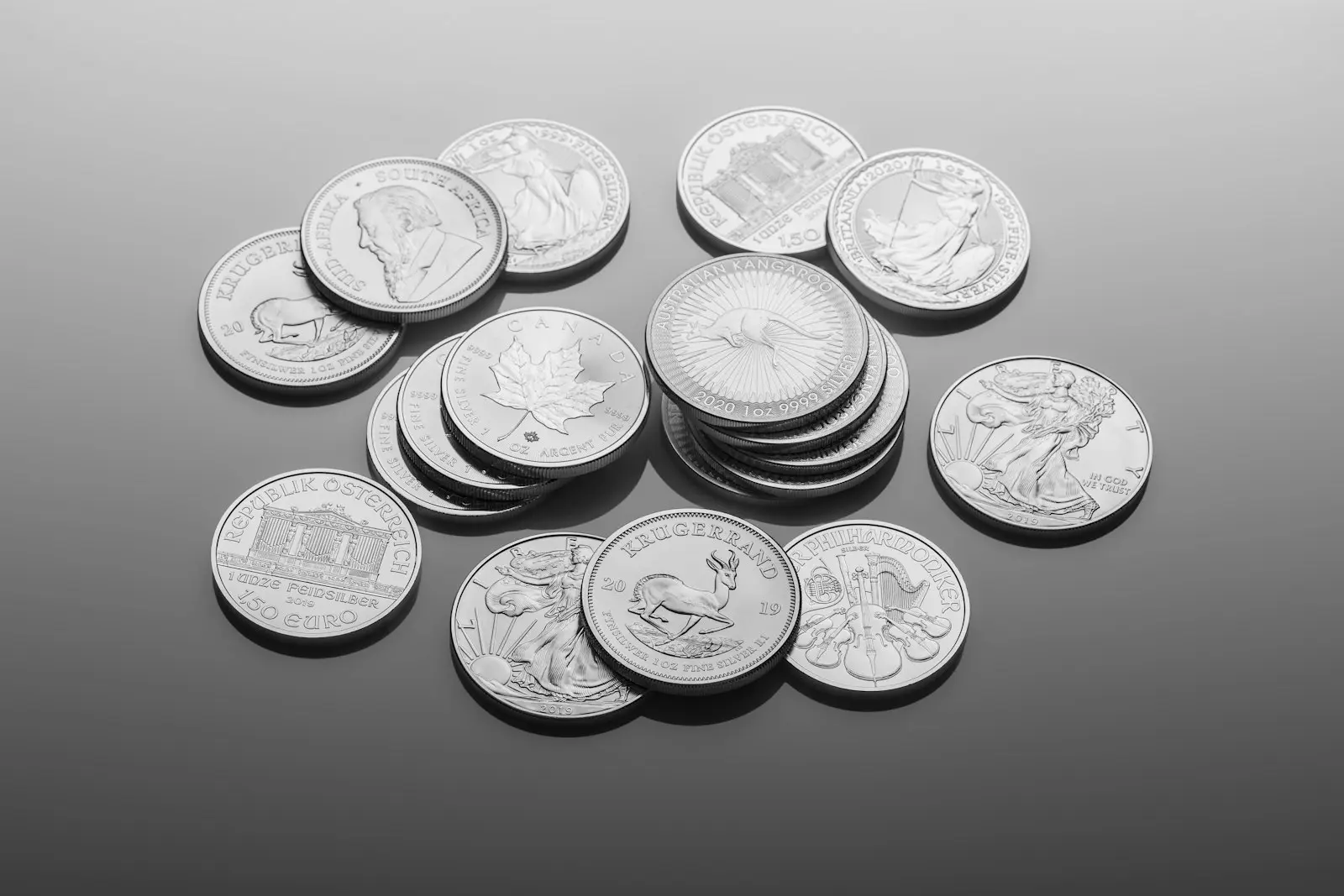
Silver comes in everything from small coins to substantial bars. Before comparing prices, picture the amount of metal you'd receive and where it would go. Unit size, packaging and storage become practical questions surprisingly quickly.
Coins, rounds and bars serve different practical purposes
A sovereign silver coin is issued by a government mint and carries a denomination. A privately produced round can look much like a coin without being legal tender. A bar uses another shape to hold an identified quantity of silver. The denomination on a coin is not its bullion market value, and a round's lack of a denomination does not tell you its silver content.
For example, the American Silver Eagle contains one troy ounce of .999 fine silver. A larger bar concentrates multiple ounces into one piece. Ask what the proposed holding consists of in actual units, not only its total ounces. That is the information needed to discuss storage, count the holding or sell part of it later.
Industrial usefulness is a mechanism—not a price promise
Silver's electrical conductivity makes it useful in electronics and other industrial applications. That gives its market an industrial dimension alongside investment demand. It also creates questions about manufacturing activity, the amount used in each product, recycling and substitution.
A growing industry does not mean its silver use grows at the same rate forever. Manufacturers can change designs or reduce the amount of material needed. A responsible silver discussion makes room for both demand and supply rather than turning an appealing technology story into a forecast.
Packaging is part of managing the holding
A tube of coins, a box of rounds and a collection of large bars create different handling needs. Understand the quantity and packaging before arranging delivery. For stored holdings, ask how those units appear on the account record and what happens if you request the release of only some of them. The metal is physical; the holdings plan should be equally concrete.
Plan for the physical quantity
Silver has weight and occupies space. Before Private Home Delivery, decide where it will go and how it will be safeguarded. Retain product records and packaging so you can identify the purchase later.
Depository storage is another arrangement with its own costs and terms. For IRA metal, approved storage is part of the account structure, not a home-delivery preference. Understand which purchase route is being proposed.
Silver demand, price risk and purchase costs
Silver's industrial uses and investment demand help explain interest in it. They do not establish a higher future price. Your sale terms and account and storage costs also affect the result.
LGS can compare the products and explain purchase, custody and buyback arrangements. Your qualified advisers help decide whether the holding belongs in your plan. If you proceed, continuing service means there is a familiar place to bring the next question.
Further Reading
This article is educational. It is not a recommendation to buy or sell anything, and it does not consider your circumstances. Prices can move in either direction.