
Smart Alternatives to Buying Gold and Silver at Local Coin Shops
Kelvin Bratton2026-09-20
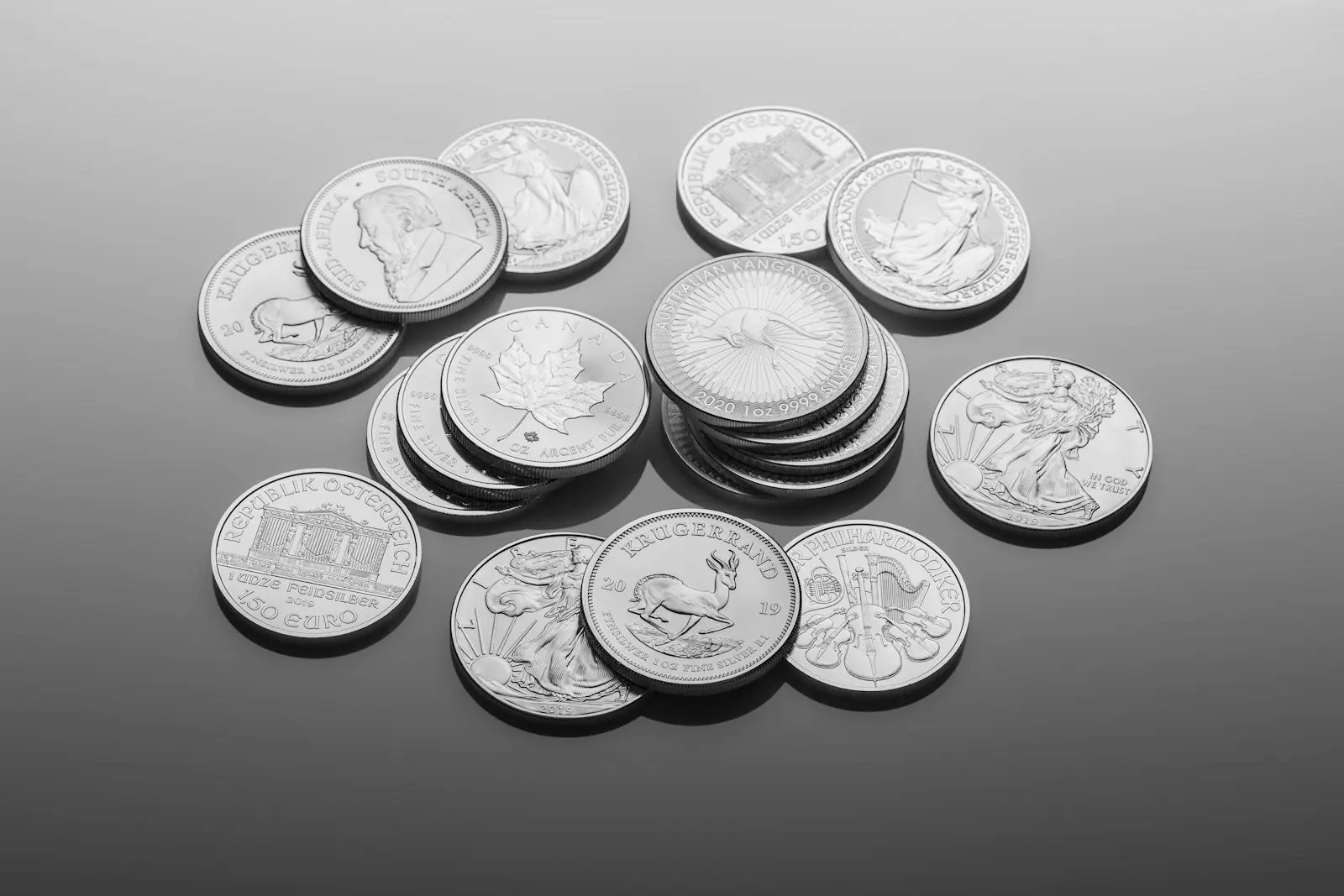
If you’ve ever stepped into a local coin shop (LCS) hoping for a good deal on gold or silver, you’ve probably noticed the challenges that come with it. Limited inventory, unpredictable pricing, and the pressure of making decisions on the spot can make for a difficult buying experience. Many investors today are turning to alternatives that offer more options, transparency, and convenience.
Here’s a detailed look at where you can buy coins and precious metals without relying solely on local coin shops, and how to do so safely and confidently.
Why Look Beyond Local Coin Shops
Local coin shops can be convenient for in-person transactions. But they often face limitations, including lower stock variety and higher premiums due to smaller buying volume.
Collectors and investors are also looking for better privacy and price comparison opportunities. Online alternatives make it easier to check live market prices and find the best deal without driving around town.
1. Online Bullion Dealers
Online bullion dealers are now the preferred choice for many buyers of silver, gold, platinum, and even copper bars or rounds.
When shopping online, check shipping and insurance policies, payment options, and return processes. A reputable site will post all details clearly.
2. Peer-to-Peer Marketplaces
Platforms like eBay or Facebook Marketplace can work well for collectors searching for specific, rare, or discontinued coins. According to PGS Gold and Coin, these peer-driven spaces are great for connecting with private sellers, though they require extra caution.
### Tips for buying safely: - Review seller ratings carefully. - Stick to verified payment systems with buyer protection. - Verify authenticity of coins—ask for high-resolution photos and confirm mint marks.
For those seeking niche items or small-quantity pieces, this route can be rewarding, though it carries more risk.
3. Coin Shows and Conventions
Coin shows combine the best of both worlds: in-person interactions with a wide selection of dealers. Visitors can compare prices and negotiate on the spot.
Reddit’s r/Silverbugs community frequently discusses how coin shows offer better bargaining opportunities than single LCS visits. Walking from one table to another lets you gauge the going rate for the same coin within minutes.
Shows also provide space to learn—from grading basics to market trends—making them great for both hobbyists and investors.
4. Direct Purchases from National Mints
If you prefer buying directly from the source, consider national mints. The U.S. Mint, for instance, sells proof sets, collector coins, and silver eagles directly on their website.
Buying from a mint guarantees authenticity, but prices are typically higher than bullion market rates because these coins are produced for collectors rather than investors. Still, they’re perfect for portfolios focusing on limited-edition or commemorative pieces.
5. Coin Valuation and Appraisal Tools
Before selling or even buying, understanding coin value matters. Free price guides and mobile apps make this easy.
- PCGS Price Guide: Recognized across the industry for accurate U.S. coin valuations.
- CoinSnap app: Uses photo recognition to identify coins and give quick value estimates.
- American Rarities: Offers online appraisal requests for inherited or old collections.
Hero Bullion notes that knowing your coin’s grade and market category is key to avoiding low offers. A small amount of research can prevent large losses.
6. Selling Alternatives for Coin Collectors
If your goal is to sell, not buy, the same platforms apply. Online auctions, certified dealers, and national buyers can often pay more than local shops. That’s because they have larger customer bases and more flexibility on margins.
For large collections, try contacting national bullion dealers. Many accept shipments insured at full value and provide online written prices before you send anything.
7. The Privacy and Security Factor
Some buyers prefer alternatives for the privacy they provide. Online orders from established bullion companies are discreet, with insured, unmarked packaging.
Still, security remains a concern. Always verify that the website runs on HTTPS, never share personal payment details over email, and consider paying through trusted methods such as ACH or wire transfers for large orders.
Physical security also matters. If you order online, plan ahead for safe storage. Home safes or professional vaulting services protect your holdings better than basic hiding spots.
8. Tax and Recordkeeping Considerations
Buying and selling coins triggers potential reporting requirements depending on the amount and type of transaction. The IRS treats bullion and coins as collectibles, which can carry specific capital gains tax rates when sold.
Keeping purchase records—dealer receipts, proof of payment, and item descriptions—ensures proper documentation. Many experienced investors organize this information digitally to track cost basis and future returns.
10. Choosing the Right Alternative for You
Each alternative serves a different type of buyer:
No single method fits everyone. The right choice depends on your goals, budget, and comfort with online transactions.
Conclusion
Coin shops still have their place, especially for those who enjoy face-to-face negotiation. But there’s a wider world of buying and selling options that offer better pricing, convenience, and flexibility.
From bullion dealers and national mints to online marketplaces and coin shows, collectors have never had more control over how they acquire precious metals. If you’re looking for a trusted partner that combines personal service with online convenience, Liberty Gold Silver provides both. You can browse current prices, request a written price, or speak with a metals specialist to plan your next purchase confidently.
This article is educational. It is not a recommendation to buy or sell anything, and it does not consider your circumstances. Prices can move in either direction.