
Silver's Industrial Demand: Why It Matters
By Kelvin BrattonPublished · Updated
Silver is used in electrical equipment, electronics and other manufactured products because of its conductivity and reflectivity.
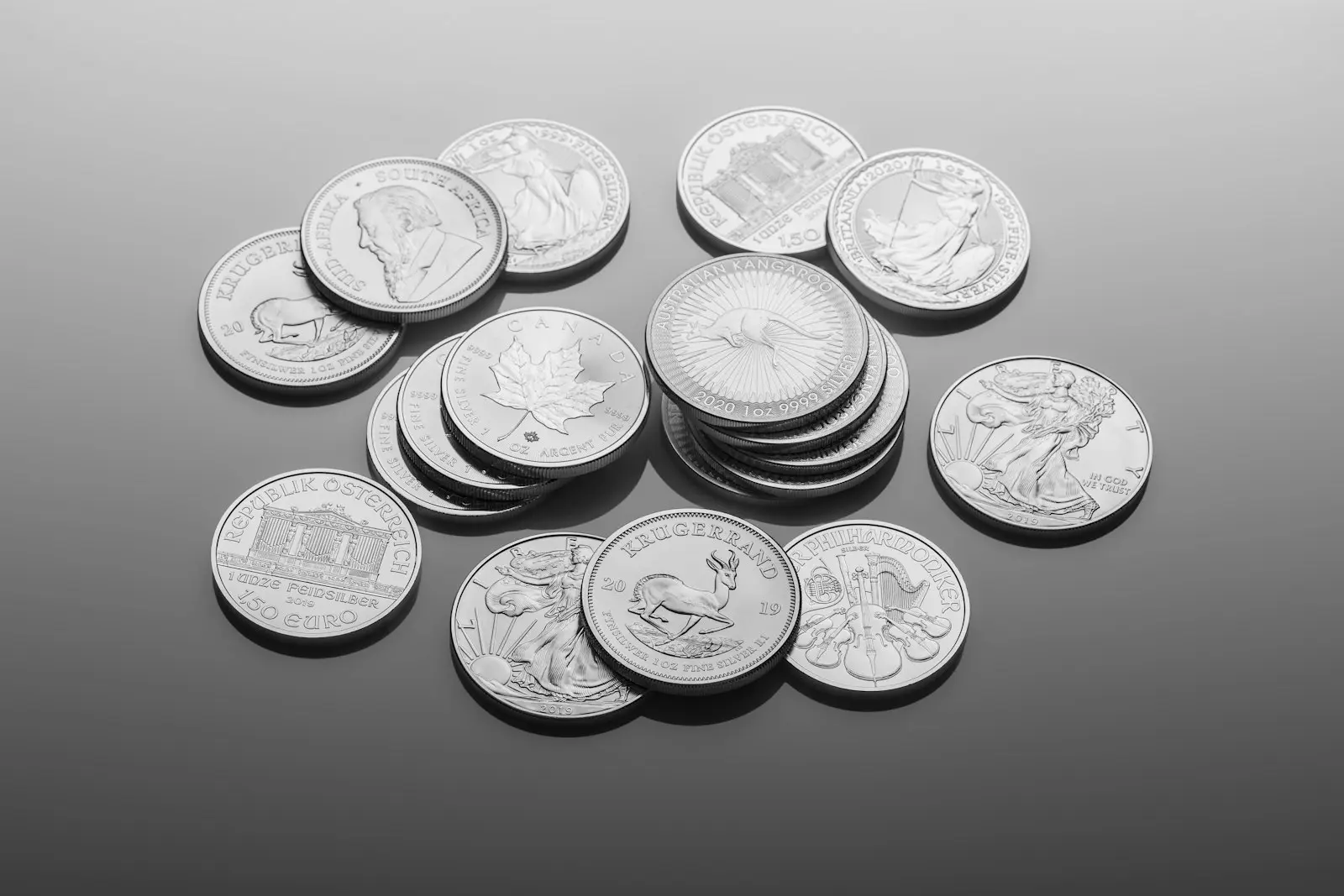
Silver isn't only sitting in coins and vaults. It helps conduct electricity in electronics and solar equipment. Those uses create demand, but factories, mines and investors all affect the market. Let's look at how those pieces connect.
For an investor, the industrial side deserves a proper explanation. “Industry needs it” is a starting point, not a complete argument for a future price. Understand the uses, the supply response and the assumptions before drawing a conclusion.
Why the material is useful
The U.S. Geological Survey identifies silver's high electrical and thermal conductivity and optical reflectivity among its distinguishing properties. Its reported applications include electrical and electronics, photovoltaic cells, brazing and soldering, photography and other industrial uses. These are material functions, not simply a preference for a precious-metal label.
An electrical contact must perform a particular job. A photovoltaic cell has manufacturing requirements. A producer chooses materials and processes within a design, cost and performance problem. Silver demand therefore depends on both the number of finished products made and the silver required for each product.
This distinction is easy to miss. Growth in a manufacturing category does not necessarily translate into the same percentage growth in silver demand. Designs can change, manufacturers can use less material per unit, and alternative processes can develop. A demand forecast needs to account for those possibilities.
Solar is important, but it is not the whole market
USGS's 2026 summary estimates that photovoltaics accounted for 15% of U.S. silver use in 2025, alongside 25% for electrical and electronics. Those figures describe estimated domestic uses, not the global market. Keeping that scope attached to the numbers prevents a domestic statistic from becoming a worldwide claim.
The categories also show why a single technology story is incomplete. Investment bars, coins and medals, jewelry, industrial products and recycled material all belong in a wider supply-and-demand analysis. A solar forecast cannot stand in for every other part of that market.
When reading a projection, identify its date, geography and unit. Is it measuring installations, physical silver demand or spending? Does it include existing inventories? Is it a historical estimate or a forecast? Those questions do more work than an impressive number without context.
Mine supply does not respond to silver alone
Silver can be produced at silver mines and as a byproduct or coproduct of other mining operations. A mine producing several metals is affected by the economics of those metals, its ore, operating costs and development plans. A higher silver price does not automatically create a new mine or more output on a short timetable.
Recycling adds another supply source. Above-ground holdings also matter: newly mined metal is not the only metal that can enter a transaction. This is why a reported annual supply deficit needs to be read with its methodology rather than interpreted as proof that no silver remains available.
A gap between measured annual supply and demand can be meaningful. But “deficit” does not identify the exact date or price of a future market move. Inventories, investor behavior, recycling and changes in industrial use can affect how the market adjusts.
Industrial demand and investment demand can pull differently
A manufacturer buys an input for production. A bullion buyer chooses a holding. Their reasons and timing are not identical. Industrial demand can weaken with a slower economy while investment demand changes for other reasons; it can also strengthen without producing the price path a particular buyer expects.
Silver does not pay its owner a share of a manufacturer's profits. Owning a silver bar is different from owning a business that uses silver. The industrial story affects the market for the material, but it does not turn bullion into an income-producing company.
That matters when evaluating a sales pitch. A list of essential applications may explain why the material has uses. It cannot establish your purchase cost, future selling terms or the suitability of the holding for your savings.
Silver product sizes, costs and storage
If you choose physical silver, the product still needs a clear identity: coin, round or bar, with its stated weight, fineness and manufacturer. Think about the quantity, the space it occupies and how you would sell individual units later. If the purchase is for an IRA, confirm the exact product and custody arrangement with the custodian.
LGS can explain those practical differences and the purchase process. Industrial research belongs alongside that explanation—not in place of it. The strongest decision is one you can describe without relying on a forecast that has to come true.
Further Reading
This article is educational. It is not a recommendation to buy or sell anything, and it does not consider your circumstances. Prices can move in either direction.