
Gold, Silver and Inflation: Read the Relationship Carefully
By Kelvin BrattonPublished · Updated
Inflation data and metal-price charts measure different things. Comparing them can be useful, but a relationship in one period is not a promise about the next.
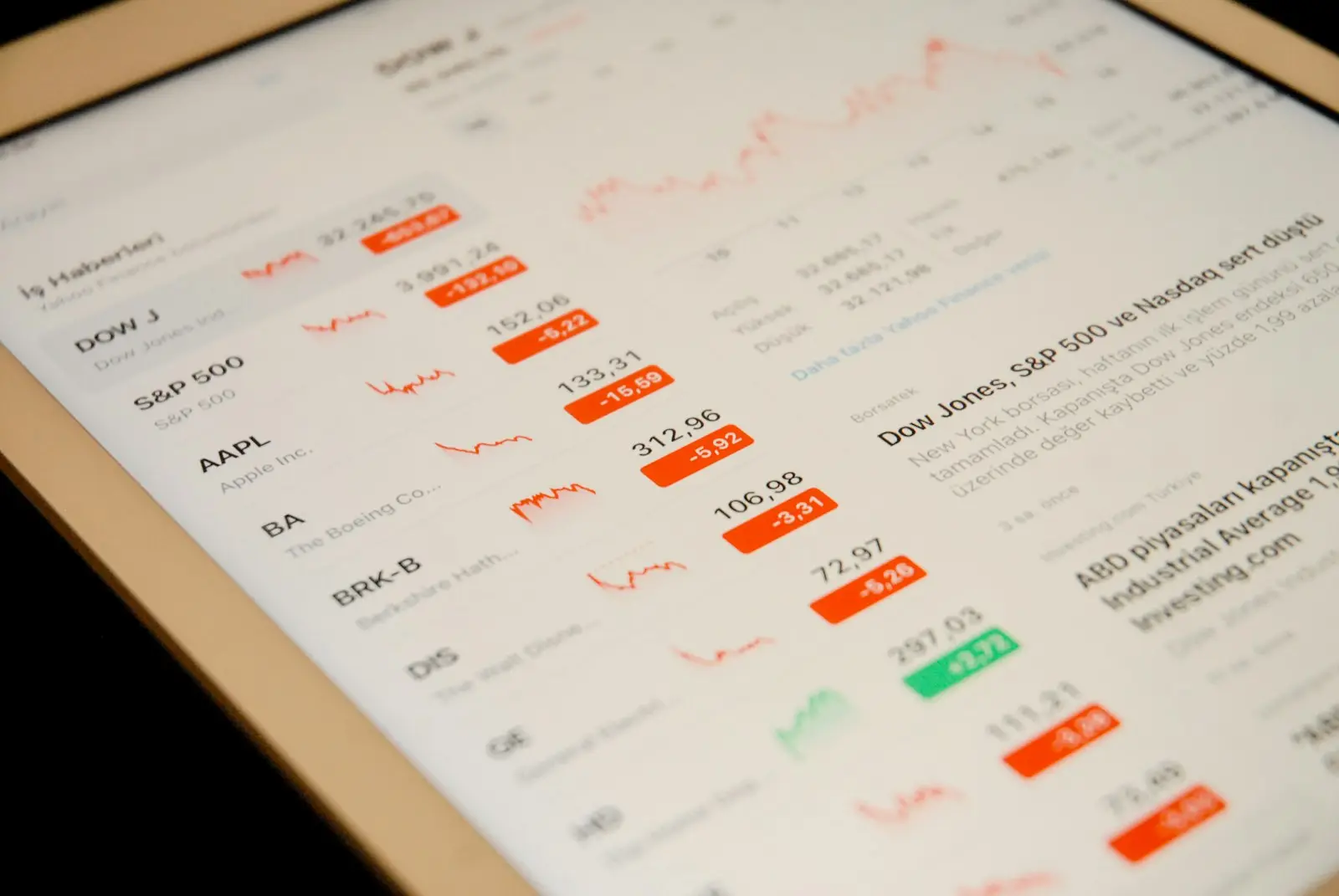
Two lines moving together on a chart can catch your eye. It doesn't mean they'll keep doing it. To compare inflation with gold or silver, first check the dates, the measures and whether you're looking at prices or changes in prices.
Gold and silver have other influences
Inflation is not the only input in precious-metals markets. Rates, currency movements and investment demand can matter; silver also has industrial uses. These influences do not disappear because a chart focuses on one relationship.
Physical bullion has costs that a correlation does not capture. You buy a specific coin or bar at a full purchase price, possibly pay for storage and eventually sell under the terms available then.
A correlation needs a defined pair of series
Specify the gold-price series, the inflation measure, the currency and the sampling period. Comparing monthly changes is different from comparing annual levels or long-term cumulative changes. A relationship observed under one method should not be presented as a universal relationship under all of them.
A correlation describes co-movement within the chosen data. It does not, on its own, identify a cause or tell you which factor will dominate next. Other influences can change at the same time, including currency values, rates and demand for gold itself.
Product premiums, storage costs and selling terms
A personal holding begins at a specific purchase cost and ends, if sold, under the terms available at that time. It can incur storage or other transaction costs along the way. Those facts make the result different from a simple percentage change in an underlying reference series.
That is why a useful inflation discussion should move from the broad relationship to your actual questions without promising an offset. Which costs are you concerned about? What access to cash do you need? Which holdings arrangement are you considering? Your advisers help assess that plan; a dealer explains the physical product and transaction.
Correlation, holding periods and market risks
A historical association may help inform a wider discussion. It is not a personal allocation recommendation or a promise to offset your household's rising costs. Discuss the planning question with your qualified adviser.
Bring LGS the questions about your holdings: products, costs, custody and selling. A sound explanation should distinguish what the data shows from what someone hopes it means.
Further Reading
This article is educational. It is not a recommendation to buy or sell anything, and it does not consider your circumstances. Prices can move in either direction.