
Tail Risks in Financial Markets: What You Need to Know to Protect Your Wealth
Kelvin Bratton2026-09-20
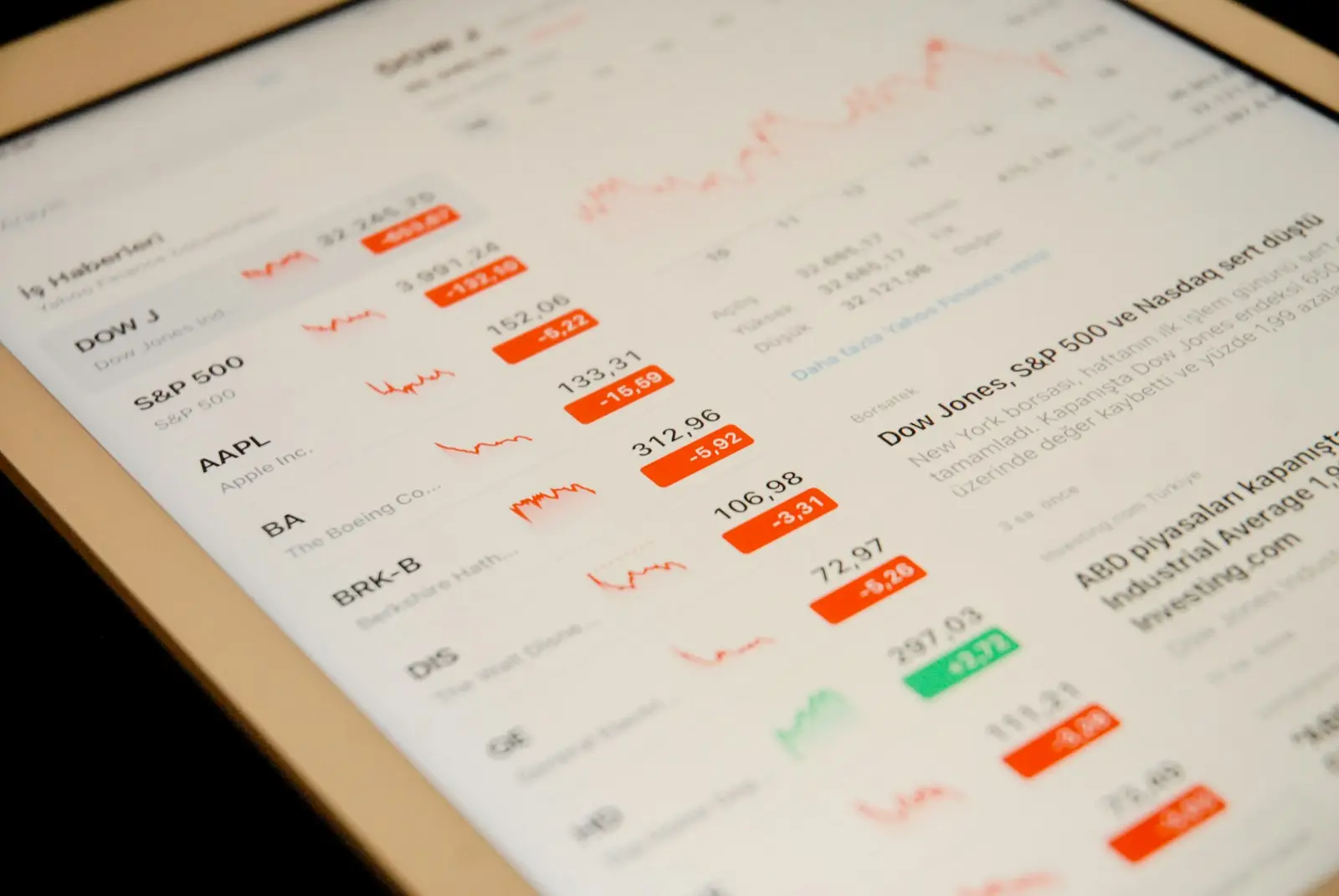
Markets feel stable until they're not. The 2008 financial crisis, the COVID-19 crash, and the 2022 tech meltdown all shared one common thread: they weren't supposed to happen, at least not according to the models most investors relied on. These extreme events, called tail risks, sit at the edges of probability curves, but their impact can devastate entire portfolios.
Understanding tail risks isn't just an exercise for academics. It's a practical necessity for anyone who wants to preserve wealth across decades. According to research from the National Bureau of Economic Research, extreme market events occur roughly 40% more frequently than standard models predict. That gap between expectation and reality has cost investors trillions.
This post breaks down what tail risks really are, why traditional portfolios struggle with them, and how assets like precious metals can serve as hedges when these low-probability, high-impact events strike.
What Are Tail Risks?
Tail risks refer to extreme events that fall far outside the normal range of expected outcomes. The term comes from the "tails" of a statistical distribution curve, where rare events cluster at the far left and right edges.
In financial markets, tail risks typically mean catastrophic losses. They're the events that standard risk models classify as "unlikely" but that carry devastating consequences when they occur. Think of them as the financial equivalent of earthquakes: rare, but capable of destroying structures that weren't built to withstand them.
The problem isn't just that these events happen. It's that they happen more often than most models assume. Traditional financial theory relies heavily on the bell curve, which predicts that extreme events should be vanishingly rare. Real market data tells a different story.
Common examples of tail risk events include:
- Sudden market crashes (Black Monday 1987, Flash Crash 2010)
- Systemic banking failures (2008 Financial Crisis)
- Currency collapses (Argentine Peso Crisis, Turkish Lira Crash)
- Geopolitical shocks (9/11 attacks, Russia-Ukraine conflict)
- Pandemic disruptions (COVID-19 market crash)
- Sovereign debt crises (Greek debt crisis)
According to a study published in the Journal of Financial Economics, tail events that should occur once every 10,000 years based on normal distribution models actually happen roughly once every three to four years in real markets. That's not a rounding error. That's a fundamental mismatch between theory and reality.
Why Traditional Portfolios Struggle With Tail Risks
The classic 60/40 portfolio (60% stocks, 40% bonds) has dominated investment advice for generations. During normal market conditions, this allocation provides decent returns with moderate volatility. But tail risks expose its critical weakness: correlation breakdown.
When extreme events hit, assets that normally move independently suddenly plunge together. Stocks crash. Corporate bonds lose value. Even Treasury bonds, traditionally seen as safe havens, can face liquidity crunches or inflationary pressures that erode their protective value.
The 2008 crisis demonstrated this pattern vividly. According to Federal Reserve data, diversified portfolios lost an average of 37% during the crisis, despite being "properly" allocated across asset classes. The correlation between stocks and other risk assets spiked to near-perfect levels as investors rushed for the exits simultaneously.
Here's why traditional portfolios fail during tail events:
- Leverage amplifies losses: Many investment vehicles use borrowed money to juice returns. When markets reverse sharply, leveraged positions unwind rapidly, creating cascading sell-offs.
- Liquidity dries up: In normal times, you can sell most assets quickly. During crises, bid-ask spreads widen dramatically. Sometimes there are no buyers at all.
- Correlations spike: Assets that usually move independently suddenly move in lockstep. Diversification fails exactly when you need it most.
- Model assumptions break: Risk management systems rely on historical volatility patterns. Tail events blow past those assumptions, rendering risk controls useless.
Modern Portfolio Theory, developed by Harry Markowitz in the 1950s, optimizes portfolios based on historical return patterns and correlations. But as economist Nassim Taleb has argued extensively, this approach systematically underestimates tail risk because it relies on the normal distribution. Real market returns follow "fat-tailed" distributions with far more extreme outcomes.
The Role of Precious Metals as Tail Risk Hedges
Gold and silver occupy a unique position in financial markets. They're physical assets with no counterparty risk, they've maintained value across centuries, and they tend to move inversely to traditional financial assets during crises.
During the 2008 financial crisis, while the S&P 500 lost approximately 37% of its value, gold gained roughly 5% and continued climbing in subsequent years. According to data from the World Gold Council, gold prices increased from around $800 per ounce in early 2008 to over $1,900 by 2011 as investors sought safety from continued economic uncertainty.
The COVID-19 crash in March 2020 told a similar story. Stocks plummeted nearly 34% in weeks. Gold dipped briefly before surging to all-time highs above $2,000 per ounce by August 2020. Silver followed with even more dramatic gains, rising from below $12 per ounce to nearly $30.
Why precious metals work as tail risk protection:
- No counterparty risk: A physical gold coin doesn't depend on any government, bank, or corporation staying solvent. It holds value regardless of institutional failures.
- Negative correlation during crises: When financial assets crash, demand for precious metals typically surges as investors flee to safety.
- Inflation hedge: Many tail risks (currency crises, sovereign debt problems) lead to inflation or currency debasement. Gold and silver maintain purchasing power through these scenarios.
- Liquidity in extremes: Even during severe crises, precious metals markets remain functional. You can convert gold or silver to cash in nearly any economic environment.
- Historical track record: Gold has served as money and a store of value for over 5,000 years across every civilization. Few assets can claim that longevity.
At Liberty Gold Silver, we've seen firsthand how investors use precious metals specifically for tail risk protection. When clients allocate 10-15% of their portfolios to physical gold and silver, they're not trying to maximize returns in bull markets. They're buying insurance against the next crisis, whenever and however it arrives.
Unlike paper assets or ETFs, physical precious metals don't carry the same systemic risks. When you own gold coins or silver bars stored securely, you hold an asset that exists outside the banking system and isn't subject to broker insolvency, clearing house failures, or redemption freezes.
Measuring and Monitoring Tail Risks
You can't eliminate tail risks, but you can track warning signs and adjust your positioning accordingly. Several indicators help investors gauge when tail risk is building in financial markets.
Key tail risk indicators:
- Credit spreads: When the difference between corporate bond yields and Treasury yields widens sharply, it signals increasing stress in credit markets. According to Federal Reserve data, credit spreads spiked above 600 basis points during the 2008 crisis, compared to normal levels around 150 basis points.
- Volatility indexes (VIX): The CBOE Volatility Index measures expected stock market volatility. A VIX below 15 suggests complacency. Readings above 30 indicate fear. During tail events, the VIX can spike above 50 or even 80.
- Margin debt levels: When investors borrow heavily to buy stocks, it creates fragility. Forced liquidations of margin positions can accelerate crashes. NYSE margin debt data shows that peak margin debt levels often precede major market corrections.
- Central bank balance sheets: Rapid expansion of central bank assets can signal underlying economic stress and future inflation risks, both of which are tail risk factors.
- Currency cross-rates: Sudden movements in currency markets, especially involving reserve currencies, can indicate systemic stress in international financial systems.
Professional investors often use more sophisticated measures like "tail risk parity" strategies or options-based tail hedges. But for most individual investors, tracking these simpler indicators provides enough information to adjust allocations when warning signs flash.
The challenge isn't identifying that tail risks exist. It's maintaining protection over long periods when nothing bad happens. Insurance feels expensive when you don't need it. The temptation to drop tail risk hedges during bull markets is powerful, which is exactly when investors become most vulnerable.
Building a Tail Risk-Aware Portfolio
Protecting against tail risks doesn't mean abandoning growth assets or hiding in cash. It means acknowledging that extreme events will occur and building portfolios that can survive them without catastrophic losses.
A balanced approach includes:
Core holdings (70-75%): Traditional growth assets including stocks, bonds, and real estate. These generate returns during normal market conditions.
Tail risk hedges (10-15%): Physical precious metals, primarily gold and silver. This allocation isn't meant to maximize returns. It's meant to preserve capital during extreme events and provide liquidity when other assets are frozen.
Cash and short-term instruments (10-15%): Liquid reserves allow you to meet expenses during crises without forced selling of depressed assets. Cash also provides capital to buy assets when they're on sale during crashes.
The specific allocation depends on individual circumstances. Younger investors with decades until retirement might tilt more toward growth assets and accept more tail risk. Investors closer to retirement or those already drawing on portfolios need more protection since they have less time to recover from major losses.
Liberty Gold Silver specializes in helping investors implement the precious metals component of this strategy. We focus specifically on physical gold and silver rather than paper alternatives like ETFs or futures contracts. The reason is simple: during genuine tail risk events, the difference between owning physical metal and owning a claim on metal becomes critical.
In 2008, several gold ETFs faced questions about whether they actually held the gold they claimed to own. Some investors found they couldn't redeem shares for physical metal when they wanted to. Physical gold and silver stored in your possession or in secure allocated storage eliminates these counterparty risks entirely.
Tail Risks vs. Normal Market Volatility
It's important to distinguish between regular market corrections and true tail risk events. Markets decline 10% or more roughly once every 18 months on average, according to data from Ned Davis Research. These corrections are normal volatility, not tail risks.
Tail risks are different in both magnitude and character. They involve:
- Systemic threats: The crisis affects multiple markets, asset classes, or financial institutions simultaneously
- Extreme magnitude: Losses far exceed what risk models predict
- Structural change: The event fundamentally alters how markets or economies function
- Contagion effects: Problems spread rapidly across interconnected systems
The dot-com crash of 2000-2002 was severe but primarily affected technology stocks. Other sectors and asset classes continued functioning normally. The 2008 crisis was a true tail risk event because it threatened the entire global financial system. Banks stopped lending to each other. Credit markets froze. The crisis spread from subprime mortgages to every corner of finance.
Understanding this distinction helps prevent overreacting to normal volatility while still maintaining adequate protection against genuine tail risks. You don't need to panic and sell everything during routine corrections. But you should have hedges in place before genuine systemic threats emerge, because by the time everyone recognizes a tail risk event, it's too late to hedge effectively.
The Psychology of Tail Risk Protection
The biggest challenge in tail risk management isn't technical analysis or asset selection. It's psychology.
Humans are terrible at assessing low-probability, high-impact events. We systematically underestimate risks that haven't occurred recently and overestimate risks that just happened. This recency bias makes us sell protection after crises (when it's most valuable) and ignore protection during calm periods (when it's most needed).
Behavioral finance research from Nobel laureate Daniel Kahneman demonstrates that people feel losses roughly twice as intensely as equivalent gains. This loss aversion should make tail risk protection appealing. But it doesn't, because the "loss" of insurance premiums during good times feels more immediate than the abstract possibility of extreme events.
Common psychological mistakes:
- Normalcy bias: Assuming current conditions will persist indefinitely
- Availability heuristic: Overweighting recent events and underweighting distant or abstract risks
- Overconfidence: Believing you'll be able to react quickly enough when crises hit
- Analysis paralysis: Spending so much time researching the perfect protection strategy that you never implement one
The solution isn't to become paranoid or obsessed with every possible disaster. It's to implement protection while markets are calm, maintain it through both good times and bad, and rebalance periodically to keep allocations appropriate.
At Liberty Gold Silver, we see the most successful tail risk strategies come from investors who make a single decision to allocate a percentage to precious metals, then automate the process. They might dollar-cost-average into gold and silver monthly or quarterly, removing emotion from the equation. They don't try to time when tail risks will materialize. They simply maintain consistent protection.
Practical Steps to Implement Tail Risk Protection
If you're convinced that tail risk protection makes sense but haven't implemented it yet, here's a straightforward approach:
Step 1: Assess your current exposure Calculate what percentage of your portfolio sits in assets that would be severely affected by tail risk events. Most portfolios are heavily concentrated in stocks, bonds, and real estate, all of which can decline simultaneously during crises.
Step 2: Determine appropriate hedge sizing A 10-15% allocation to precious metals provides meaningful protection without dramatically reducing returns during normal markets. Some conservative investors go as high as 20-25%, while aggressive investors might use 5-10%.
Step 3: Choose physical over paper Physical gold and silver eliminate counterparty risk. Working with a dealer like Liberty Gold Silver, you can purchase coins or bars and arrange either personal storage or professional allocated storage where specific pieces of metal are designated as yours.
Step 4: Implement gradually You don't need to build your entire precious metals position immediately. Dollar-cost-averaging over several months or quarters reduces timing risk and makes the allocation easier to afford.
Step 5: Store securely For smaller holdings, a home safe bolted to the floor works well. Larger positions merit professional storage in allocated accounts where you maintain legal ownership of specific bars or coins.
Step 6: Rebalance periodically When precious metals surge during crises, they can become oversized relative to your target allocation. Rebalancing means selling some protection when it's expensive and buying more when it's cheap.
The key is to start. Many investors spend years researching optimal tail risk strategies but never implement anything. An imperfect hedge in place today is infinitely better than a perfect hedge you plan to implement "soon."
Beyond Precious Metals: Complementary Tail Risk Strategies
While physical gold and silver form the core of most tail risk hedging for individual investors, several complementary strategies deserve consideration:
Put options on major indices provide asymmetric protection. You pay a premium for the right to sell at a predetermined price. If markets crash, puts gain value rapidly. The downside is time decay. Options lose value as expiration approaches, making them expensive to maintain continuously.
Treasury bonds traditionally rally during equity crashes as investors flee to safety. But with inflation concerns and massive government debt levels, Treasury bonds carry their own tail risks. They're less reliable than in past decades.
Trend-following strategies use systematic rules to switch between assets based on price momentum. These strategies can exit falling markets relatively quickly. But they're complex to implement and often underperform during choppy, sideways markets.
Cryptocurrency advocates argue that Bitcoin serves as "digital gold" and provides tail risk protection. The asset is too new and volatile to have a proven track record through multiple crises. Bitcoin fell over 50% during the COVID crash, though it recovered quickly.
Each approach has trade-offs. For most investors, physical precious metals offer the best combination of effectiveness, simplicity, and proven track record. They work alongside traditional portfolios without requiring sophisticated options knowledge or algorithmic trading systems.
The Cost of Protection vs. The Cost of Exposure
Every hedge has a cost. The question is whether that cost is worth the protection it provides.
Gold and silver don't generate dividends or interest. During bull markets in stocks, holding precious metals creates an opportunity cost because that capital could have been invested in appreciating assets. From 2012 to 2015, gold declined from $1,900 to around $1,050 while stocks surged. Investors who held gold during that period gave up substantial gains.
But framing tail risk protection purely as an opportunity cost misses the point. Insurance isn't measured by what you lose in good times. It's measured by what it prevents you from losing in bad times.
A portfolio that allocates 10% to precious metals gives up some upside during bull markets. But it also avoids catastrophic losses during bear markets and crises. According to research from investment firm Bridgewater Associates, portfolios that include meaningful tail risk hedges reduce maximum drawdowns by 30-40% during extreme events while only modestly reducing long-term returns.
The math works in favor of hedging. A portfolio that never loses more than 20% in a crisis can recover much faster than one that loses 50%. It takes a 100% gain to recover from a 50% loss, but only a 25% gain to recover from a 20% loss. Avoiding massive drawdowns compounds wealth more effectively than chasing every possible percentage point of upside.
At Liberty Gold Silver, we help investors think through this trade-off realistically. You're not trying to maximize returns in every environment. You're trying to build wealth that survives across decades, through multiple crises that you can't predict or time.
What History Teaches About Tail Risks
Financial markets have experienced tail risk events throughout recorded history. The patterns repeat with remarkable consistency:
- Asset bubbles inflate slowly, then pop suddenly: Dutch tulips, South Sea Company, dot-com stocks, housing in 2008. Optimism builds for years, then reality intrudes in weeks or months.
- Everyone knows it will end badly, but no one knows when: The famous economist John Maynard Keynes noted that "markets can remain irrational longer than you can remain solvent." Timing tail risks is nearly impossible.
- This time is never different: Every bubble has unique features that participants use to justify why "this time is different." It never is. Human psychology and market dynamics follow similar patterns across centuries.
- Precious metals preserve wealth through crises: From Roman currency debasement to Weimar hyperinflation to modern financial crises, gold and silver have maintained purchasing power when fiat currencies and financial assets failed.
History doesn't repeat exactly, but it rhymes. The specific trigger of the next tail risk event won't look exactly like 2008 or 1987 or 1929. But the underlying dynamics of overvaluation, excessive leverage, and sudden loss of confidence follow patterns that gold and silver hedge effectively.
Taking Action Before the Next Tail Event
Tail risks exist whether you acknowledge them or not. The next major crisis might be months away or years away, but it's coming. Markets have experienced extreme events roughly every 7-10 years historically, and we're overdue by many measures.
Current warning signs include historically high stock valuations, record government debt levels in developed countries, geopolitical tensions from multiple conflicts, and central banks withdrawing unprecedented monetary stimulus. Any combination of these factors could trigger the next tail event.
The time to build protection is before you need it. Once crises begin, precious metals premiums spike, inventory gets scarce, and you'll compete with thousands of other investors who suddenly realize they need hedges. In March 2020, premiums on gold coins doubled within days as investors rushed to buy physical metal while markets crashed.
The beauty of physical precious metals is their simplicity. You don't need sophisticated software, complex strategies, or constant monitoring. You buy quality gold and silver products, store them securely, and let them function as wealth insurance. If tail risks never materialize, you haven't lost anything catastrophic. If they do materialize, you'll be grateful for the protection.
Markets are fragile. The connections between banks, businesses, and governments create systemic vulnerabilities that no one fully understands until they break. When those breaks happen, physical gold and silver provide stability that financial assets can't match.
Your move is simple: assess your current tail risk exposure, determine an appropriate hedge allocation, and implement it before the next crisis makes you wish you'd acted sooner.
- National Bureau of Economic Research. "The Frequency of Extreme Events in Financial Markets." https://www.nber.org
- Journal of Financial Economics. "Fat Tails and Extreme Events in Financial Markets."
- Federal Reserve Economic Data (FRED). "Historical Market Data and Credit Spreads." https://fred.stlouisfed.org
- World Gold Council. "Gold Performance During Financial Crises." https://www.gold.org
- Ned Davis Research. "Historical Market Correction Data."
- Bridgewater Associates. "Portfolio Risk Management Research."
- Taleb, Nassim Nicholas. "The Black Swan: The Impact of the Highly Improbable."
- Kahneman, Daniel. "Thinking, Fast and Slow."
This article is educational. It is not a recommendation to buy or sell anything, and it does not consider your circumstances. Prices can move in either direction.